Pipefish Green (Microphis Brachyurus)
Green Pipefish (Microphis brachyurus)
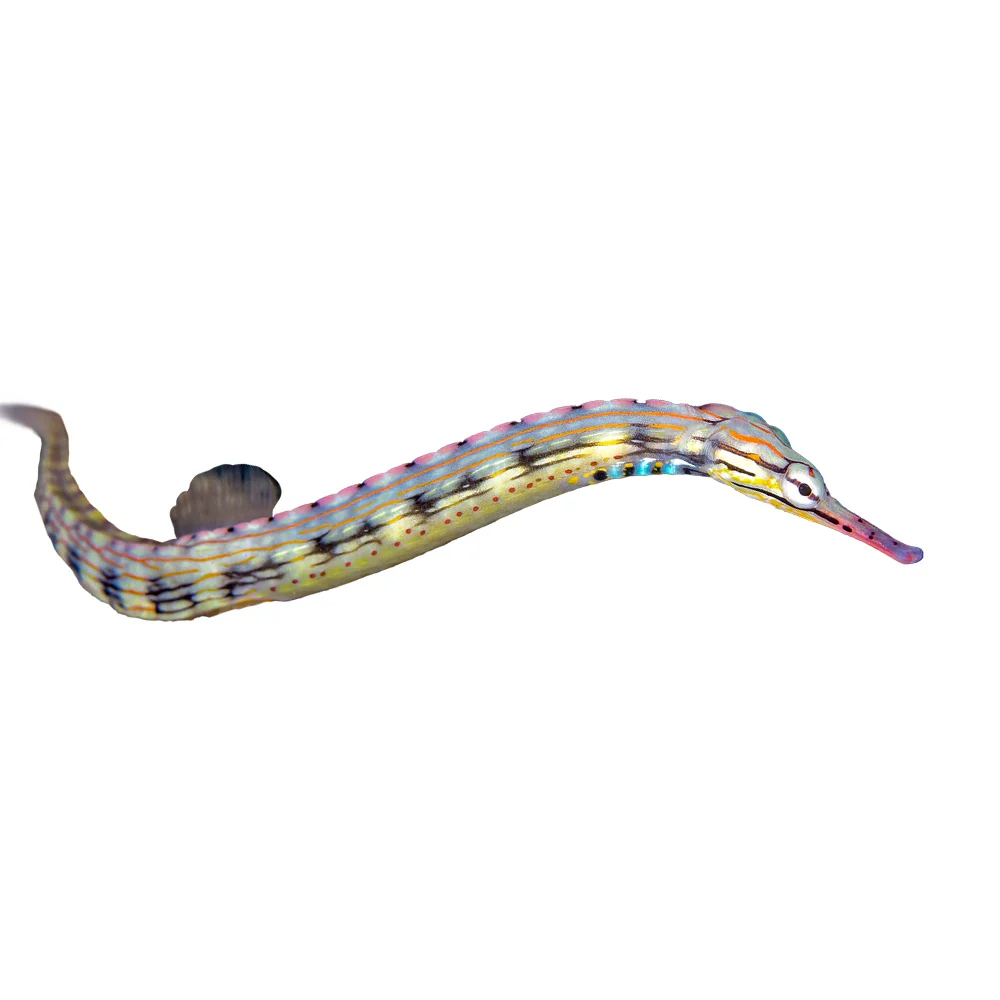
The Green Pipefish, also known as the Short-tailed Pipefish, is a fascinating relative of the seahorse. Unlike many of the marine-only pipefish, this species is euryhaline, meaning it is often found in freshwater streams, estuaries, and brackish mangroves. It is a "living toothpick" that offers a completely different vertical dynamic to a specialized aquarium.
Key Information
-
Common Names: Green Pipefish, Short-tailed Pipefish, Freshwater Pipefish
-
Scientific Name: Microphis brachyurus
-
Origin: Circumtropical (found in Asia, Africa, and the Americas)
-
Max Size: 15–20 cm (approx. 6–8 inches)
-
Lifespan: 3–5 years
-
Temperament: Very Peaceful; shy and easily outcompeted
-
Diet: Carnivore – Specialist in live micro-foods
-
Care Level: Expert / Difficult
Appearance & Identification
The Green Pipefish is a master of "blade-of-grass" camouflage:
-
The Body: Extremely elongated and slender, with a rigid, armored body composed of bony plates.
-
Coloration: Typically a muted olive-to-bright green, though they can shift to a brownish hue to match their surroundings.
-
The Snout: Features a long, tubular snout with a tiny mouth at the end, designed to "snick" (suction) tiny prey out of the water.
-
Movement: They swim primarily using their tiny dorsal and pectoral fins, making them look like they are "hovering" through the water rather than swimming.
The "Expert" Warning: Feeding & Environment
This is the most critical part of their care:
-
Live Food Only: Most Microphis species will refuse frozen or flake food entirely. You must provide a constant supply of live baby brine shrimp, daphnia, or copepods.
-
Low Flow: They are very weak swimmers. In a high-flow reef tank, they will be tossed around and eventually die of exhaustion. They require a "calm" environment.
-
Salinity Preference: While often sold as "freshwater," they generally thrive much better and live longer in brackish water (Specific Gravity $1.005 - 1.010$).
Behaviour & Tank Compatibility
-
The Social Hunter: They are peaceful and can be kept in groups, provided the tank is large enough to support the food requirements for all of them.
-
Reef Safe: 100% Reef Safe (with corals), but they are not suitable for a standard high-flow reef tank.
-
Tank Mates: Must be kept with ultra-peaceful fish. Excellent companions include Bumblebee Gobies, Cardinalfish, or Blue-eye Rainbowfish. Avoid any fast-moving "pigs" (like Barbs, Danios, or large Wrasses) that will eat all the food before the Pipefish can react.
Ideal Tank Setup
-
Tank Size: A minimum of 115L (30 Gallons). While they are thin, they are long and appreciate horizontal space.
-
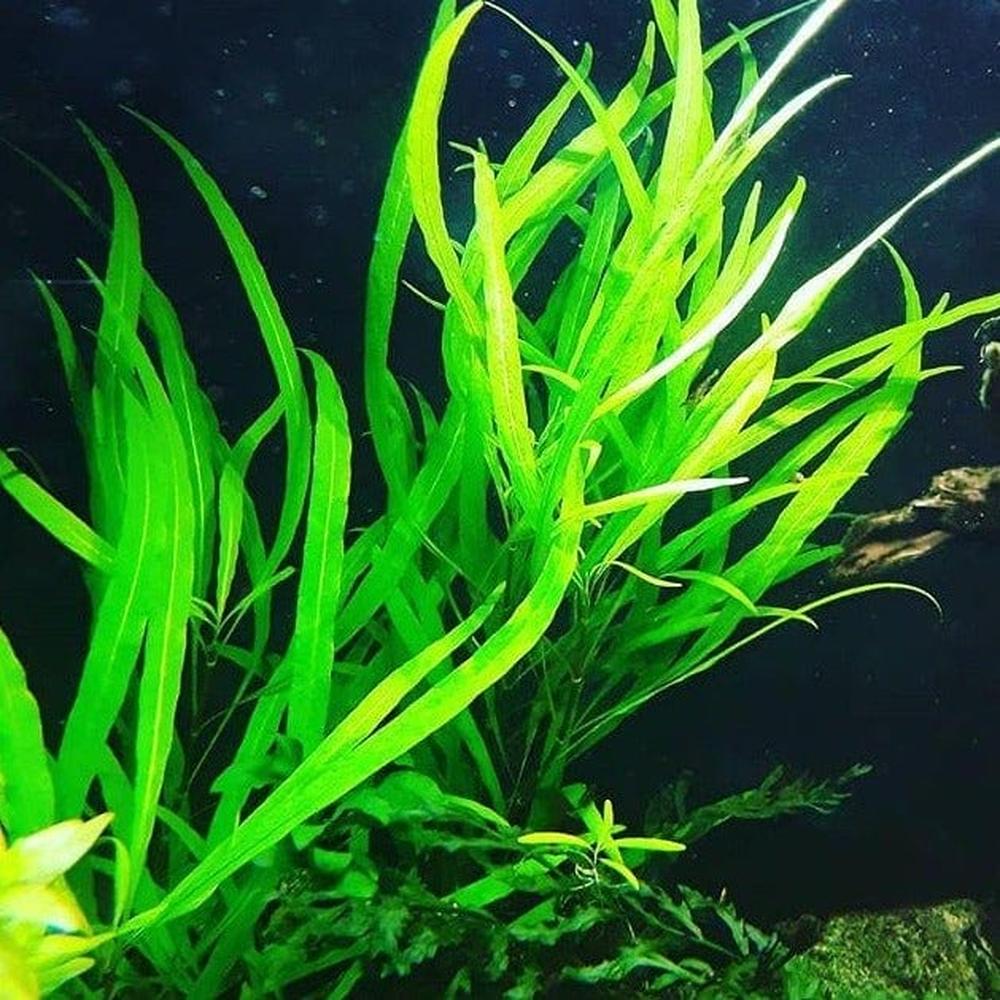
Plants & Structure: This is mandatory. They need tall plants (like Vallisneria or Java Fern) or "vertical" wood to wrap their tails around and blend into.
-
Filtration: Use a sponge filter or a very baffled intake. Powerheads are dangerous for their delicate bodies.
-
Feeding Frequency: Because they lack a true stomach, they must be fed 2–3 times daily with live micro-foods.
Why Choose the Green Pipefish?
The Green Pipefish is for the "specialist" hobbyist—someone who wants to maintain a Biotope Tank (like a mangrove or a slow-moving stream). It is a rewarding challenge for those who enjoy the "slower side" of fishkeeping and have the time to culture live foods.
Product Information
Product Information
Shipping & Returns
Shipping & Returns
Pipefish Green (Microphis Brachyurus)
Pipefish Green (Microphis Brachyurus)
Green Pipefish (Microphis brachyurus)
The Green Pipefish, also known as the Short-tailed Pipefish, is a fascinating relative of the seahorse. Unlike many of the marine-only pipefish, this species is euryhaline, meaning it is often found in freshwater streams, estuaries, and brackish mangroves. It is a "living toothpick" that offers a completely different vertical dynamic to a specialized aquarium.
Key Information
-
Common Names: Green Pipefish, Short-tailed Pipefish, Freshwater Pipefish
-
Scientific Name: Microphis brachyurus
-
Origin: Circumtropical (found in Asia, Africa, and the Americas)
-
Max Size: 15–20 cm (approx. 6–8 inches)
-
Lifespan: 3–5 years
-
Temperament: Very Peaceful; shy and easily outcompeted
-
Diet: Carnivore – Specialist in live micro-foods
-
Care Level: Expert / Difficult
Appearance & Identification
The Green Pipefish is a master of "blade-of-grass" camouflage:
-
The Body: Extremely elongated and slender, with a rigid, armored body composed of bony plates.
-
Coloration: Typically a muted olive-to-bright green, though they can shift to a brownish hue to match their surroundings.
-
The Snout: Features a long, tubular snout with a tiny mouth at the end, designed to "snick" (suction) tiny prey out of the water.
-
Movement: They swim primarily using their tiny dorsal and pectoral fins, making them look like they are "hovering" through the water rather than swimming.
The "Expert" Warning: Feeding & Environment
This is the most critical part of their care:
-
Live Food Only: Most Microphis species will refuse frozen or flake food entirely. You must provide a constant supply of live baby brine shrimp, daphnia, or copepods.
-
Low Flow: They are very weak swimmers. In a high-flow reef tank, they will be tossed around and eventually die of exhaustion. They require a "calm" environment.
-
Salinity Preference: While often sold as "freshwater," they generally thrive much better and live longer in brackish water (Specific Gravity $1.005 - 1.010$).
Behaviour & Tank Compatibility
-
The Social Hunter: They are peaceful and can be kept in groups, provided the tank is large enough to support the food requirements for all of them.
-
Reef Safe: 100% Reef Safe (with corals), but they are not suitable for a standard high-flow reef tank.
-
Tank Mates: Must be kept with ultra-peaceful fish. Excellent companions include Bumblebee Gobies, Cardinalfish, or Blue-eye Rainbowfish. Avoid any fast-moving "pigs" (like Barbs, Danios, or large Wrasses) that will eat all the food before the Pipefish can react.
Ideal Tank Setup
-
Tank Size: A minimum of 115L (30 Gallons). While they are thin, they are long and appreciate horizontal space.
-
Plants & Structure: This is mandatory. They need tall plants (like Vallisneria or Java Fern) or "vertical" wood to wrap their tails around and blend into.
-
Filtration: Use a sponge filter or a very baffled intake. Powerheads are dangerous for their delicate bodies.
-
Feeding Frequency: Because they lack a true stomach, they must be fed 2–3 times daily with live micro-foods.
Why Choose the Green Pipefish?
The Green Pipefish is for the "specialist" hobbyist—someone who wants to maintain a Biotope Tank (like a mangrove or a slow-moving stream). It is a rewarding challenge for those who enjoy the "slower side" of fishkeeping and have the time to culture live foods.
Original: $7.15
-65%$7.15
$2.50Product Information
Product Information
Shipping & Returns
Shipping & Returns
Description
Green Pipefish (Microphis brachyurus)
The Green Pipefish, also known as the Short-tailed Pipefish, is a fascinating relative of the seahorse. Unlike many of the marine-only pipefish, this species is euryhaline, meaning it is often found in freshwater streams, estuaries, and brackish mangroves. It is a "living toothpick" that offers a completely different vertical dynamic to a specialized aquarium.
Key Information
-
Common Names: Green Pipefish, Short-tailed Pipefish, Freshwater Pipefish
-
Scientific Name: Microphis brachyurus
-
Origin: Circumtropical (found in Asia, Africa, and the Americas)
-
Max Size: 15–20 cm (approx. 6–8 inches)
-
Lifespan: 3–5 years
-
Temperament: Very Peaceful; shy and easily outcompeted
-
Diet: Carnivore – Specialist in live micro-foods
-
Care Level: Expert / Difficult
Appearance & Identification
The Green Pipefish is a master of "blade-of-grass" camouflage:
-
The Body: Extremely elongated and slender, with a rigid, armored body composed of bony plates.
-
Coloration: Typically a muted olive-to-bright green, though they can shift to a brownish hue to match their surroundings.
-
The Snout: Features a long, tubular snout with a tiny mouth at the end, designed to "snick" (suction) tiny prey out of the water.
-
Movement: They swim primarily using their tiny dorsal and pectoral fins, making them look like they are "hovering" through the water rather than swimming.
The "Expert" Warning: Feeding & Environment
This is the most critical part of their care:
-
Live Food Only: Most Microphis species will refuse frozen or flake food entirely. You must provide a constant supply of live baby brine shrimp, daphnia, or copepods.
-
Low Flow: They are very weak swimmers. In a high-flow reef tank, they will be tossed around and eventually die of exhaustion. They require a "calm" environment.
-
Salinity Preference: While often sold as "freshwater," they generally thrive much better and live longer in brackish water (Specific Gravity $1.005 - 1.010$).
Behaviour & Tank Compatibility
-
The Social Hunter: They are peaceful and can be kept in groups, provided the tank is large enough to support the food requirements for all of them.
-
Reef Safe: 100% Reef Safe (with corals), but they are not suitable for a standard high-flow reef tank.
-
Tank Mates: Must be kept with ultra-peaceful fish. Excellent companions include Bumblebee Gobies, Cardinalfish, or Blue-eye Rainbowfish. Avoid any fast-moving "pigs" (like Barbs, Danios, or large Wrasses) that will eat all the food before the Pipefish can react.
Ideal Tank Setup
-
Tank Size: A minimum of 115L (30 Gallons). While they are thin, they are long and appreciate horizontal space.
-
Plants & Structure: This is mandatory. They need tall plants (like Vallisneria or Java Fern) or "vertical" wood to wrap their tails around and blend into.
-
Filtration: Use a sponge filter or a very baffled intake. Powerheads are dangerous for their delicate bodies.
-
Feeding Frequency: Because they lack a true stomach, they must be fed 2–3 times daily with live micro-foods.
Why Choose the Green Pipefish?
The Green Pipefish is for the "specialist" hobbyist—someone who wants to maintain a Biotope Tank (like a mangrove or a slow-moving stream). It is a rewarding challenge for those who enjoy the "slower side" of fishkeeping and have the time to culture live foods.