Grindal Worm (Enchytraeus Buchholzi)
Enchytraeus buchholzi (Grindal Worms)
Grindal worms are small white annelid worms commonly cultured as a live food for freshwater aquarium fish. Slightly larger than microworms but smaller than white worms, they are ideal for juvenile and small adult fish.
Why Use Grindal Worms?
1. Excellent Size for Small Fish
Their moderate size makes them perfect for:
-
Small community fish
-
Juvenile cichlids
-
Bettas
-
Tetras, rasboras, and similar species
They are large enough to provide meaningful nutrition but still manageable for smaller mouths.
2. High Feeding Response
Grindal worms wiggle actively in the water, stimulating strong predatory behavior and encouraging reluctant feeders to eat.
3. Easy to Culture at Home
They are typically grown in shallow containers with moist media (such as coco fiber or soil substitute) and fed simple foods like bread or fish food mash. With proper care, cultures can produce daily harvests.
Nutritional Profile
-
High protein
-
Moderate to high fat
-
Soft-bodied and digestible
Because of their fat content, they are excellent for conditioning fish for breeding but are best rotated with other foods for long-term balance.
Important Considerations
-
Grindal worms are freshwater organisms and will not survive in marine or reef systems.
-
Overfeeding can pollute aquarium water quickly.
-
Cultures should be maintained carefully to prevent mold or mites.
Best Uses
-
Conditioning breeding pairs
-
Growing juvenile fish
-
Supplementing prepared diets
-
Encouraging picky freshwater fish to eat
Grindal worms are a versatile and nutrient-dense live food that bridges the gap between microworms and larger white worms, making them a staple for many freshwater breeders and hobbyists.
Product Information
Product Information
Shipping & Returns
Shipping & Returns
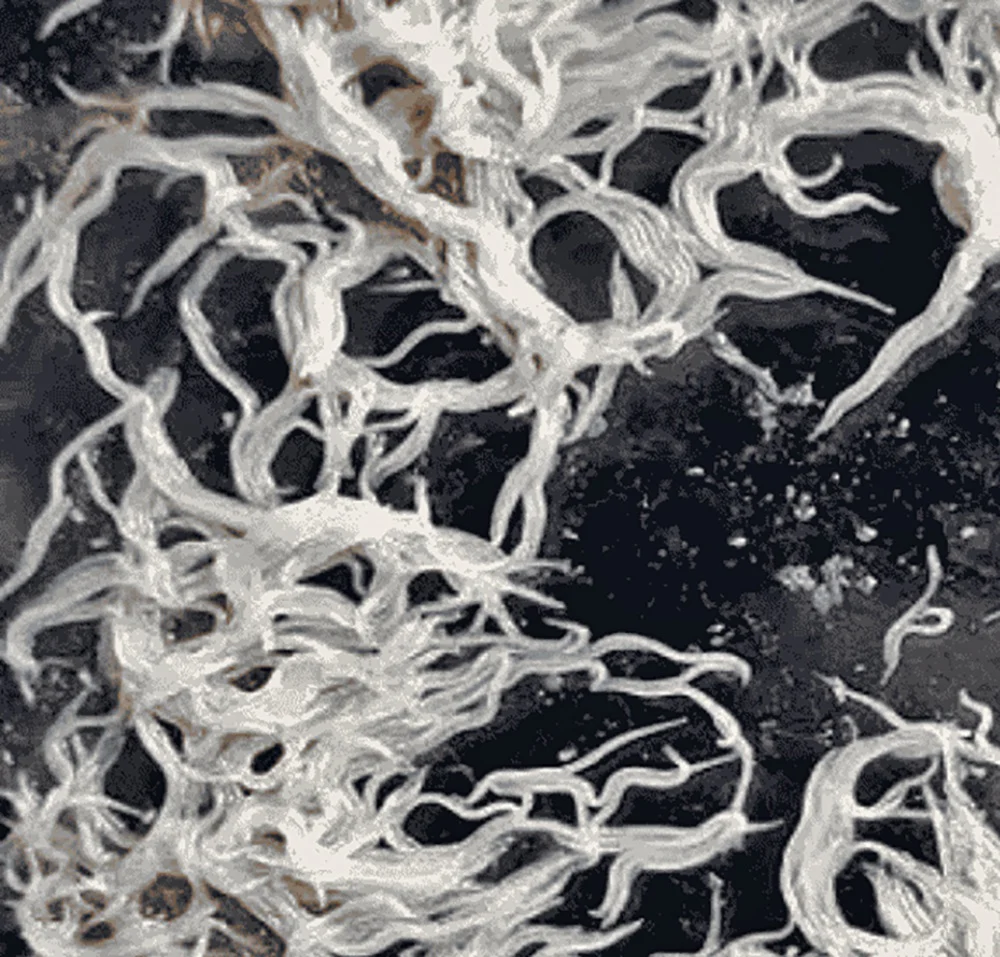
Grindal Worm (Enchytraeus Buchholzi)
Grindal Worm (Enchytraeus Buchholzi)
Enchytraeus buchholzi (Grindal Worms)
Grindal worms are small white annelid worms commonly cultured as a live food for freshwater aquarium fish. Slightly larger than microworms but smaller than white worms, they are ideal for juvenile and small adult fish.
Why Use Grindal Worms?
1. Excellent Size for Small Fish
Their moderate size makes them perfect for:
-
Small community fish
-
Juvenile cichlids
-
Bettas
-
Tetras, rasboras, and similar species
They are large enough to provide meaningful nutrition but still manageable for smaller mouths.
2. High Feeding Response
Grindal worms wiggle actively in the water, stimulating strong predatory behavior and encouraging reluctant feeders to eat.
3. Easy to Culture at Home
They are typically grown in shallow containers with moist media (such as coco fiber or soil substitute) and fed simple foods like bread or fish food mash. With proper care, cultures can produce daily harvests.
Nutritional Profile
-
High protein
-
Moderate to high fat
-
Soft-bodied and digestible
Because of their fat content, they are excellent for conditioning fish for breeding but are best rotated with other foods for long-term balance.
Important Considerations
-
Grindal worms are freshwater organisms and will not survive in marine or reef systems.
-
Overfeeding can pollute aquarium water quickly.
-
Cultures should be maintained carefully to prevent mold or mites.
Best Uses
-
Conditioning breeding pairs
-
Growing juvenile fish
-
Supplementing prepared diets
-
Encouraging picky freshwater fish to eat
Grindal worms are a versatile and nutrient-dense live food that bridges the gap between microworms and larger white worms, making them a staple for many freshwater breeders and hobbyists.
Original: $10.73
-65%$10.73
$3.76Product Information
Product Information
Shipping & Returns
Shipping & Returns
Description
Enchytraeus buchholzi (Grindal Worms)
Grindal worms are small white annelid worms commonly cultured as a live food for freshwater aquarium fish. Slightly larger than microworms but smaller than white worms, they are ideal for juvenile and small adult fish.
Why Use Grindal Worms?
1. Excellent Size for Small Fish
Their moderate size makes them perfect for:
-
Small community fish
-
Juvenile cichlids
-
Bettas
-
Tetras, rasboras, and similar species
They are large enough to provide meaningful nutrition but still manageable for smaller mouths.
2. High Feeding Response
Grindal worms wiggle actively in the water, stimulating strong predatory behavior and encouraging reluctant feeders to eat.
3. Easy to Culture at Home
They are typically grown in shallow containers with moist media (such as coco fiber or soil substitute) and fed simple foods like bread or fish food mash. With proper care, cultures can produce daily harvests.
Nutritional Profile
-
High protein
-
Moderate to high fat
-
Soft-bodied and digestible
Because of their fat content, they are excellent for conditioning fish for breeding but are best rotated with other foods for long-term balance.
Important Considerations
-
Grindal worms are freshwater organisms and will not survive in marine or reef systems.
-
Overfeeding can pollute aquarium water quickly.
-
Cultures should be maintained carefully to prevent mold or mites.
Best Uses
-
Conditioning breeding pairs
-
Growing juvenile fish
-
Supplementing prepared diets
-
Encouraging picky freshwater fish to eat
Grindal worms are a versatile and nutrient-dense live food that bridges the gap between microworms and larger white worms, making them a staple for many freshwater breeders and hobbyists.