Copepods Tisbee
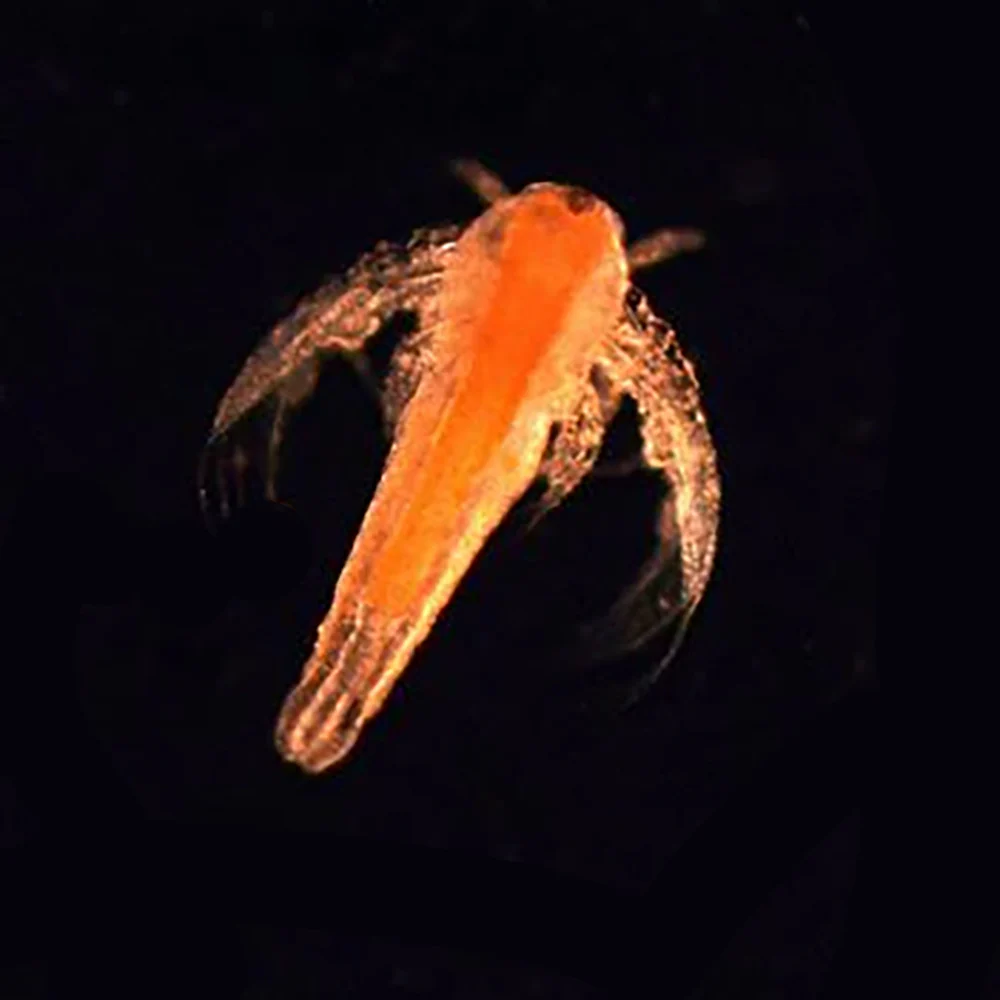
Tisbe biminiensis Copepods
This harpacticoid copepod has long been cultivated in aquaculture research. In nature, it inhabits a wide range of tropical and temperate environments, primarily acting as a detritus and microalgae grazer.
Tisbe biminiensis reproduces extremely quickly, with females carrying dozens of eggs at once. It thrives at reef temperatures (above 75°F) and higher salinities (1.025–1.030), making it well suited for coral reef systems. When fed microalgae such as Isochrysis, it can store elevated levels of beneficial fatty acids—especially at higher salinity levels.
Research indicates that adults preferentially consume bottom-dwelling algae and settled organic material rather than suspended particles. As a result, this species excels at cleaning benthic surfaces and works especially well when paired with strong filter feeders that target particles in the water column.
Product Information
Product Information
Shipping & Returns
Shipping & Returns
Copepods Tisbee
Copepods Tisbee
Tisbe biminiensis Copepods
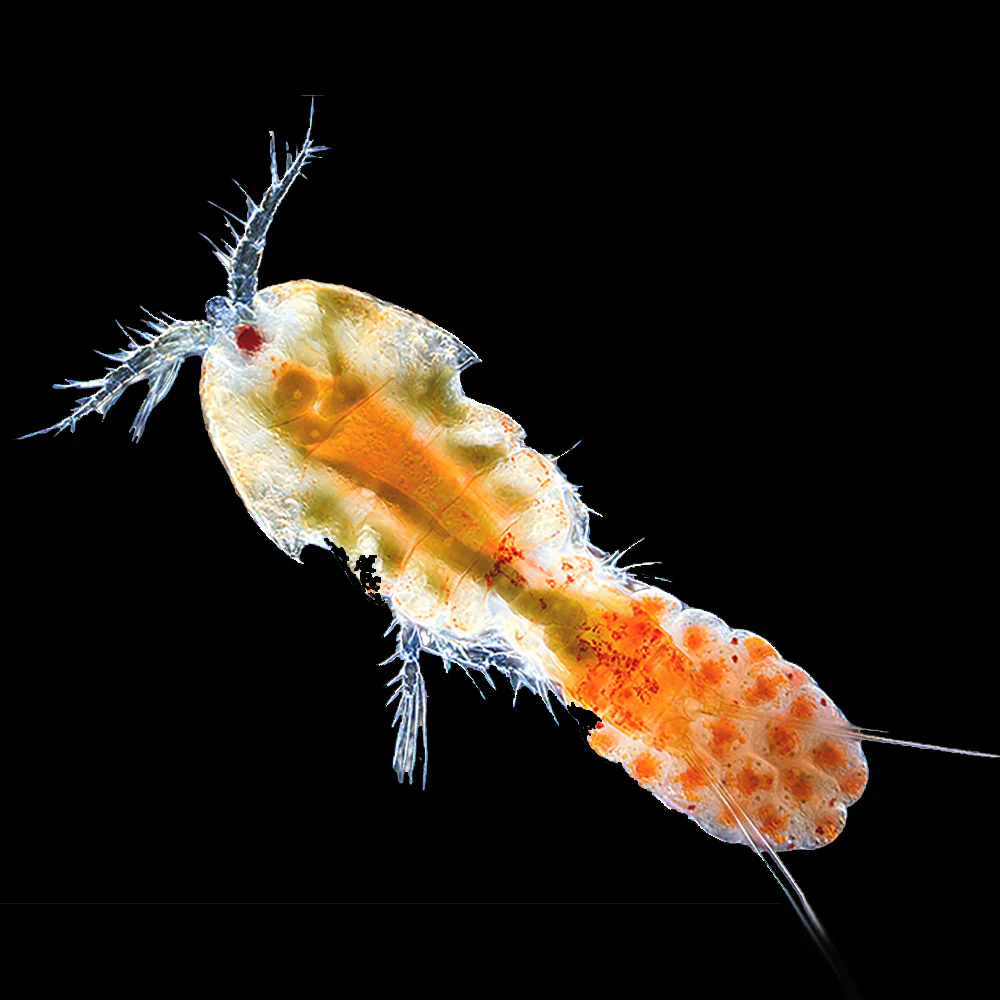
This harpacticoid copepod has long been cultivated in aquaculture research. In nature, it inhabits a wide range of tropical and temperate environments, primarily acting as a detritus and microalgae grazer.
Tisbe biminiensis reproduces extremely quickly, with females carrying dozens of eggs at once. It thrives at reef temperatures (above 75°F) and higher salinities (1.025–1.030), making it well suited for coral reef systems. When fed microalgae such as Isochrysis, it can store elevated levels of beneficial fatty acids—especially at higher salinity levels.
Research indicates that adults preferentially consume bottom-dwelling algae and settled organic material rather than suspended particles. As a result, this species excels at cleaning benthic surfaces and works especially well when paired with strong filter feeders that target particles in the water column.
Original: $17.88
-65%$17.88
$6.26Product Information
Product Information
Shipping & Returns
Shipping & Returns
Description
Tisbe biminiensis Copepods
This harpacticoid copepod has long been cultivated in aquaculture research. In nature, it inhabits a wide range of tropical and temperate environments, primarily acting as a detritus and microalgae grazer.
Tisbe biminiensis reproduces extremely quickly, with females carrying dozens of eggs at once. It thrives at reef temperatures (above 75°F) and higher salinities (1.025–1.030), making it well suited for coral reef systems. When fed microalgae such as Isochrysis, it can store elevated levels of beneficial fatty acids—especially at higher salinity levels.
Research indicates that adults preferentially consume bottom-dwelling algae and settled organic material rather than suspended particles. As a result, this species excels at cleaning benthic surfaces and works especially well when paired with strong filter feeders that target particles in the water column.