Micro Worm (Panagrellus redivivus)
Panagrellus redivivus (Microworms)
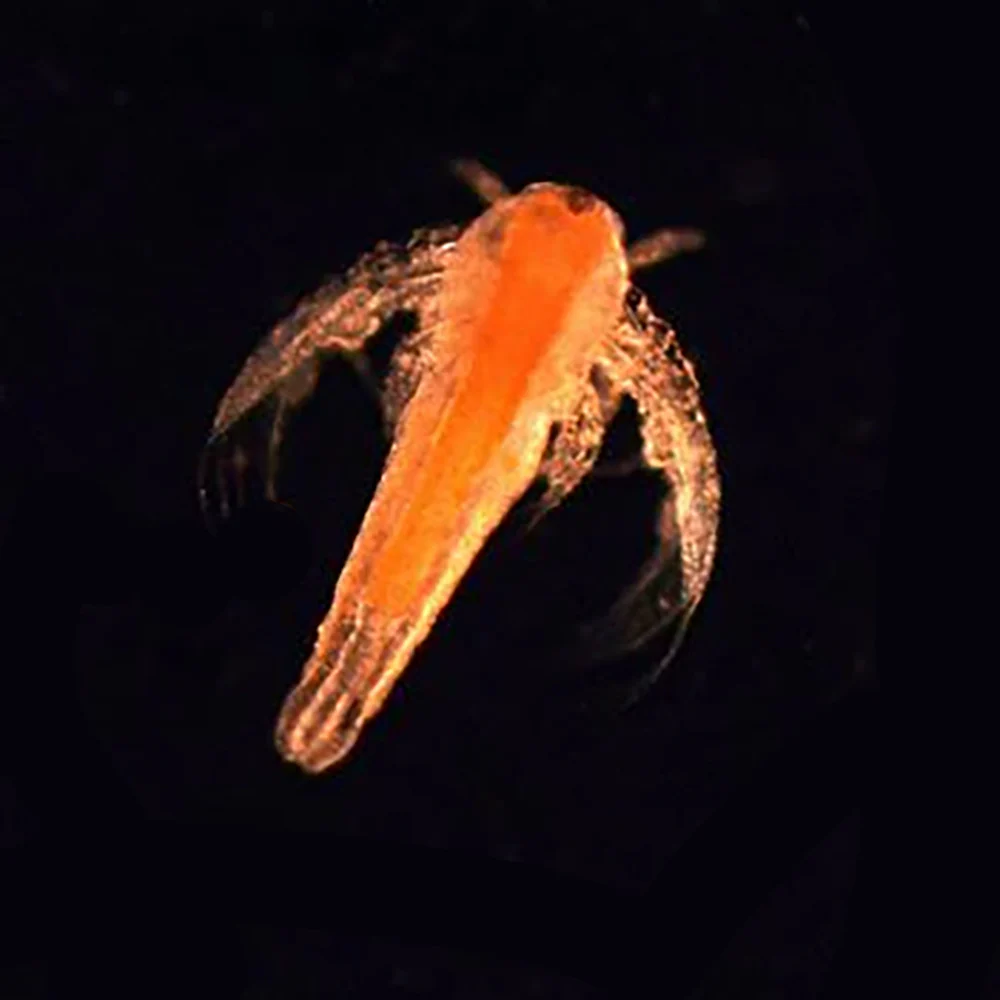
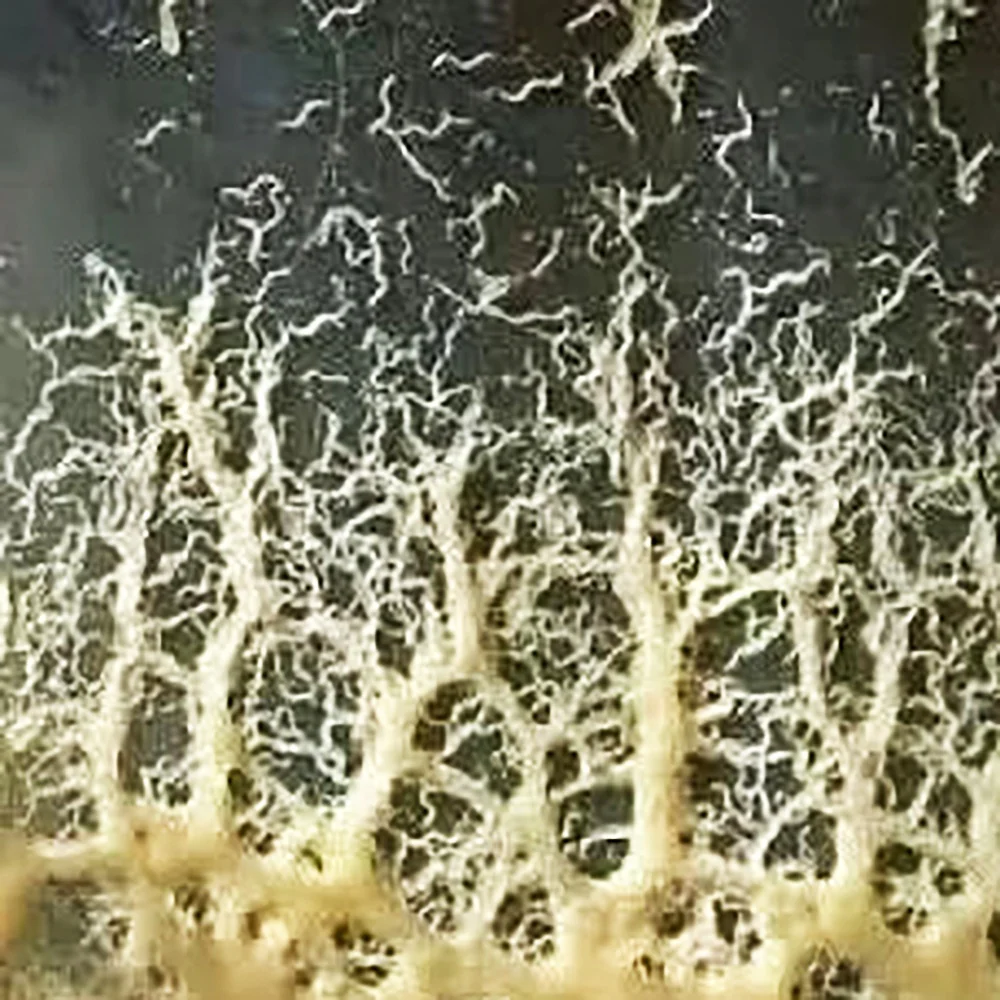
Microworms are tiny white nematodes commonly cultured as a live food for freshwater fish fry and small juvenile fish. Easy to grow and harvest, they are a popular starter food in home breeding setups.
Why Use Microworms?
1. Ideal Size for Fry
Microworms are small enough for many newly free-swimming freshwater fry, making them an excellent first or second-stage food after infusoria.
2. Simple to Culture
They can be grown in shallow containers using inexpensive media such as oatmeal or mashed potato. With minimal care, cultures can produce harvestable worms within just a few days.
3. Continuous Production
A single starter culture can yield worms daily for weeks when maintained properly, making them reliable and cost-effective.
Nutritional Profile
-
Moderate protein
-
Moderate fat
-
Soft-bodied and easy to digest
While nutritious, microworms are best used as part of a varied feeding program rather than a sole long-term diet.
Important Considerations
-
Microworms are freshwater organisms and will not survive in saltwater systems.
-
They sink rather than swim, so they are best suited for bottom-feeding fry.
-
Overfeeding can quickly foul water in small rearing tanks.
Best Uses
-
Freshwater fry (bettas, guppies, tetras, corydoras, etc.)
-
Juvenile fish transitioning from infusoria
-
Supplemental live food for small freshwater species
Microworms are one of the easiest live foods to culture at home and remain a staple for freshwater breeders seeking consistent, appropriately sized nutrition for growing fry.
Product Information
Product Information
Shipping & Returns
Shipping & Returns
Micro Worm (Panagrellus redivivus)
Micro Worm (Panagrellus redivivus)
Panagrellus redivivus (Microworms)
Microworms are tiny white nematodes commonly cultured as a live food for freshwater fish fry and small juvenile fish. Easy to grow and harvest, they are a popular starter food in home breeding setups.
Why Use Microworms?
1. Ideal Size for Fry
Microworms are small enough for many newly free-swimming freshwater fry, making them an excellent first or second-stage food after infusoria.
2. Simple to Culture
They can be grown in shallow containers using inexpensive media such as oatmeal or mashed potato. With minimal care, cultures can produce harvestable worms within just a few days.
3. Continuous Production
A single starter culture can yield worms daily for weeks when maintained properly, making them reliable and cost-effective.
Nutritional Profile
-
Moderate protein
-
Moderate fat
-
Soft-bodied and easy to digest
While nutritious, microworms are best used as part of a varied feeding program rather than a sole long-term diet.
Important Considerations
-
Microworms are freshwater organisms and will not survive in saltwater systems.
-
They sink rather than swim, so they are best suited for bottom-feeding fry.
-
Overfeeding can quickly foul water in small rearing tanks.
Best Uses
-
Freshwater fry (bettas, guppies, tetras, corydoras, etc.)
-
Juvenile fish transitioning from infusoria
-
Supplemental live food for small freshwater species
Microworms are one of the easiest live foods to culture at home and remain a staple for freshwater breeders seeking consistent, appropriately sized nutrition for growing fry.
Original: $10.73
-65%$10.73
$3.76Product Information
Product Information
Shipping & Returns
Shipping & Returns
Description
Panagrellus redivivus (Microworms)
Microworms are tiny white nematodes commonly cultured as a live food for freshwater fish fry and small juvenile fish. Easy to grow and harvest, they are a popular starter food in home breeding setups.
Why Use Microworms?
1. Ideal Size for Fry
Microworms are small enough for many newly free-swimming freshwater fry, making them an excellent first or second-stage food after infusoria.
2. Simple to Culture
They can be grown in shallow containers using inexpensive media such as oatmeal or mashed potato. With minimal care, cultures can produce harvestable worms within just a few days.
3. Continuous Production
A single starter culture can yield worms daily for weeks when maintained properly, making them reliable and cost-effective.
Nutritional Profile
-
Moderate protein
-
Moderate fat
-
Soft-bodied and easy to digest
While nutritious, microworms are best used as part of a varied feeding program rather than a sole long-term diet.
Important Considerations
-
Microworms are freshwater organisms and will not survive in saltwater systems.
-
They sink rather than swim, so they are best suited for bottom-feeding fry.
-
Overfeeding can quickly foul water in small rearing tanks.
Best Uses
-
Freshwater fry (bettas, guppies, tetras, corydoras, etc.)
-
Juvenile fish transitioning from infusoria
-
Supplemental live food for small freshwater species
Microworms are one of the easiest live foods to culture at home and remain a staple for freshwater breeders seeking consistent, appropriately sized nutrition for growing fry.