Purple Tang (Zebrasoma Xanthurum)
Purple Tang (Zebrasoma xanthurum)
The Purple Tang, also known as the Yellowtail Sailfin Tang, is arguably the "Crown Jewel" of the Zebrasoma genus. While many other tangs on your list are common in your local Indonesian waters, the Purple Tang is an exotic import from the Red Sea and the Arabian Sea. It is prized for its royal coloration, hardiness once established, and its legendary (and sometimes spicy) personality.
Key Information
-
Common Names: Purple Tang, Yellowtail Sailfin Tang
-
Scientific Name: Zebrasoma xanthurum
-
Origin: Red Sea, Gulf of Aden, Arabian Sea
-
Max Size: 22–25 cm (approx. 9–10 inches)
-
Lifespan: 10–15+ years
-
Temperament: Semi-aggressive to Aggressive; very territorial
-
Diet: Herbivore – Algae grazing specialist
-
Care Level: Moderate (due to aggression and swimming needs)
Appearance & Identification
The Purple Tang is a masterclass in color contrast:
-
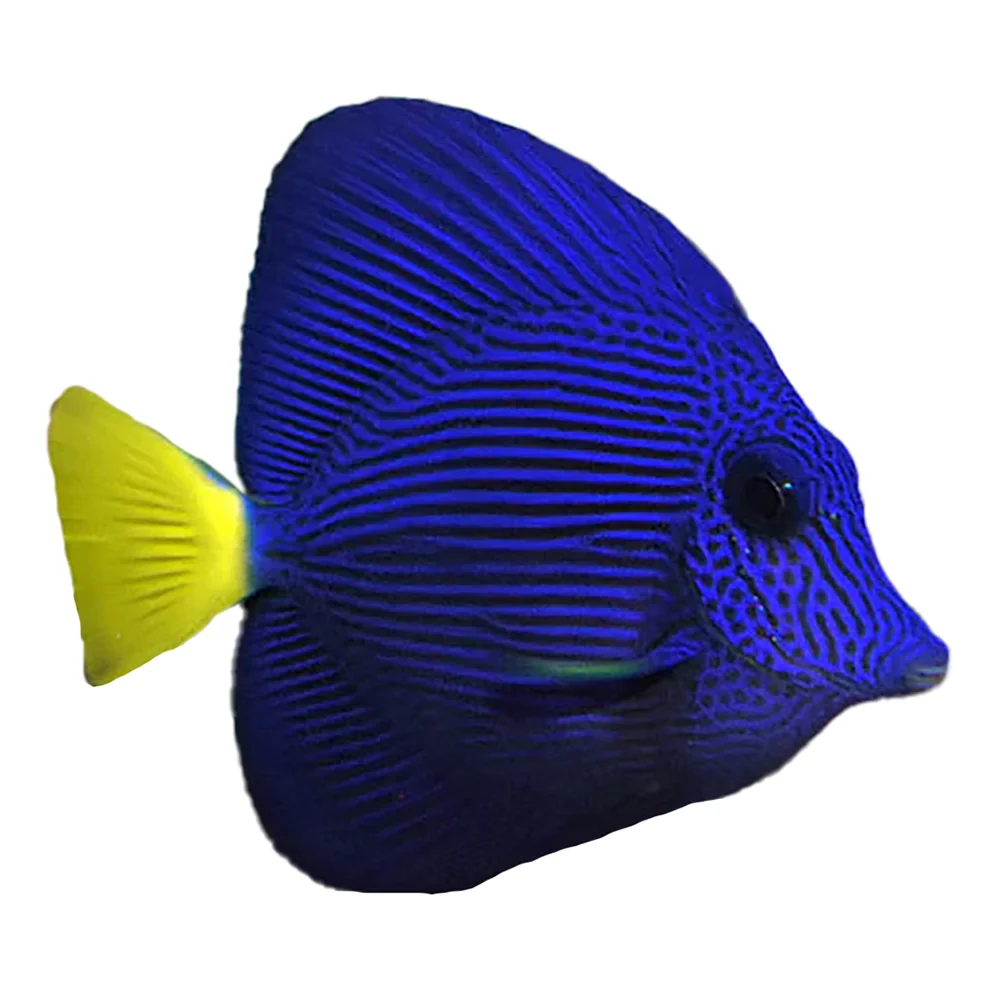
The Body: A deep, regal indigo-to-purple body. Under high-quality reef lighting, you can see intricate dark spots and horizontal lines across its face and flanks.
-
The Highlights: Bright electric yellow pectoral fins and a matching yellow tail (caudal fin) that "pops" against the dark purple.
-
The Silhouette: Like all Zebrasoma, it has a high, sail-like dorsal fin and a pointed snout designed for reaching algae in tight crevices.
-
The Scalpel: Features a white "scalpel" (spine) at the base of its tail, which it uses for defense.
Behaviour & Tank Compatibility
-
The "Boss" of the Tank: Purple Tangs are known for being highly territorial. They often become the dominant fish in the aquarium.
-
Conspecific Aggression: They are particularly aggressive toward other Zebrasoma (like Yellow or Sailfin Tangs) and other tangs with a similar body shape.
-
Reef Safe: 100% Reef Safe. They are incredible utility fish, spending all day picking at hair algae and film algae from rocks.
-
Tank Mates: Best kept with similarly assertive fish like large Wrasses, Angelfish, and larger Clownfish. If you want to keep multiple tangs, the Purple Tang should usually be the last one added to the tank.
Ideal Tank Setup
-
Tank Size: A minimum of 380L (100 Gallons) for a juvenile, but 475L+ (125 Gallons) is recommended for an adult to reduce territorial aggression.
-
Rockwork: Provide plenty of caves and "runways." They need a home cave to sleep in and clear horizontal space for high-speed swimming.
-
Water Quality: They thrive in high-flow, high-oxygen environments. Like most Red Sea species, they appreciate stable salinity and very clean water.
-
Lid: They are fast and powerful; a secure lid is recommended to prevent jumping during a chase.
Dietary Needs
To maintain their vibrant purple and prevent HLLE (Head and Lateral Line Erosion):
-
Primary Diet: Daily Nori (dried seaweed) is non-negotiable.
-
Supplemental: Spirulina-enriched flakes, herbivore pellets, and occasional frozen mysis for protein.
-
Color Maintenance: Use vitamin supplements (like Selcon) and high-quality pellets to ensure their purple doesn't fade into a dull grey.
Why Choose the Purple Tang?
The Purple Tang is for the hobbyist who wants a "showstopper" with a strong presence. It is a prestigious fish that combines utility (algae control) with unmatched beauty. While they are more expensive and aggressive than many other tangs, their hardiness and striking color make them one of the most coveted additions to a mature reef system.
Product Information
Product Information
Shipping & Returns
Shipping & Returns
Purple Tang (Zebrasoma Xanthurum)
Purple Tang (Zebrasoma Xanthurum)
Purple Tang (Zebrasoma xanthurum)
The Purple Tang, also known as the Yellowtail Sailfin Tang, is arguably the "Crown Jewel" of the Zebrasoma genus. While many other tangs on your list are common in your local Indonesian waters, the Purple Tang is an exotic import from the Red Sea and the Arabian Sea. It is prized for its royal coloration, hardiness once established, and its legendary (and sometimes spicy) personality.
Key Information
-
Common Names: Purple Tang, Yellowtail Sailfin Tang
-
Scientific Name: Zebrasoma xanthurum
-
Origin: Red Sea, Gulf of Aden, Arabian Sea
-
Max Size: 22–25 cm (approx. 9–10 inches)
-
Lifespan: 10–15+ years
-
Temperament: Semi-aggressive to Aggressive; very territorial
-
Diet: Herbivore – Algae grazing specialist
-
Care Level: Moderate (due to aggression and swimming needs)
Appearance & Identification
The Purple Tang is a masterclass in color contrast:
-
The Body: A deep, regal indigo-to-purple body. Under high-quality reef lighting, you can see intricate dark spots and horizontal lines across its face and flanks.
-
The Highlights: Bright electric yellow pectoral fins and a matching yellow tail (caudal fin) that "pops" against the dark purple.
-
The Silhouette: Like all Zebrasoma, it has a high, sail-like dorsal fin and a pointed snout designed for reaching algae in tight crevices.
-
The Scalpel: Features a white "scalpel" (spine) at the base of its tail, which it uses for defense.
Behaviour & Tank Compatibility
-
The "Boss" of the Tank: Purple Tangs are known for being highly territorial. They often become the dominant fish in the aquarium.
-
Conspecific Aggression: They are particularly aggressive toward other Zebrasoma (like Yellow or Sailfin Tangs) and other tangs with a similar body shape.
-
Reef Safe: 100% Reef Safe. They are incredible utility fish, spending all day picking at hair algae and film algae from rocks.
-
Tank Mates: Best kept with similarly assertive fish like large Wrasses, Angelfish, and larger Clownfish. If you want to keep multiple tangs, the Purple Tang should usually be the last one added to the tank.
Ideal Tank Setup
-
Tank Size: A minimum of 380L (100 Gallons) for a juvenile, but 475L+ (125 Gallons) is recommended for an adult to reduce territorial aggression.
-
Rockwork: Provide plenty of caves and "runways." They need a home cave to sleep in and clear horizontal space for high-speed swimming.
-
Water Quality: They thrive in high-flow, high-oxygen environments. Like most Red Sea species, they appreciate stable salinity and very clean water.
-
Lid: They are fast and powerful; a secure lid is recommended to prevent jumping during a chase.
Dietary Needs
To maintain their vibrant purple and prevent HLLE (Head and Lateral Line Erosion):
-
Primary Diet: Daily Nori (dried seaweed) is non-negotiable.
-
Supplemental: Spirulina-enriched flakes, herbivore pellets, and occasional frozen mysis for protein.
-
Color Maintenance: Use vitamin supplements (like Selcon) and high-quality pellets to ensure their purple doesn't fade into a dull grey.
Why Choose the Purple Tang?
The Purple Tang is for the hobbyist who wants a "showstopper" with a strong presence. It is a prestigious fish that combines utility (algae control) with unmatched beauty. While they are more expensive and aggressive than many other tangs, their hardiness and striking color make them one of the most coveted additions to a mature reef system.
Original: $200.24
-65%$200.24
$70.08Product Information
Product Information
Shipping & Returns
Shipping & Returns
Description
Purple Tang (Zebrasoma xanthurum)
The Purple Tang, also known as the Yellowtail Sailfin Tang, is arguably the "Crown Jewel" of the Zebrasoma genus. While many other tangs on your list are common in your local Indonesian waters, the Purple Tang is an exotic import from the Red Sea and the Arabian Sea. It is prized for its royal coloration, hardiness once established, and its legendary (and sometimes spicy) personality.
Key Information
-
Common Names: Purple Tang, Yellowtail Sailfin Tang
-
Scientific Name: Zebrasoma xanthurum
-
Origin: Red Sea, Gulf of Aden, Arabian Sea
-
Max Size: 22–25 cm (approx. 9–10 inches)
-
Lifespan: 10–15+ years
-
Temperament: Semi-aggressive to Aggressive; very territorial
-
Diet: Herbivore – Algae grazing specialist
-
Care Level: Moderate (due to aggression and swimming needs)
Appearance & Identification
The Purple Tang is a masterclass in color contrast:
-
The Body: A deep, regal indigo-to-purple body. Under high-quality reef lighting, you can see intricate dark spots and horizontal lines across its face and flanks.
-
The Highlights: Bright electric yellow pectoral fins and a matching yellow tail (caudal fin) that "pops" against the dark purple.
-
The Silhouette: Like all Zebrasoma, it has a high, sail-like dorsal fin and a pointed snout designed for reaching algae in tight crevices.
-
The Scalpel: Features a white "scalpel" (spine) at the base of its tail, which it uses for defense.
Behaviour & Tank Compatibility
-
The "Boss" of the Tank: Purple Tangs are known for being highly territorial. They often become the dominant fish in the aquarium.
-
Conspecific Aggression: They are particularly aggressive toward other Zebrasoma (like Yellow or Sailfin Tangs) and other tangs with a similar body shape.
-
Reef Safe: 100% Reef Safe. They are incredible utility fish, spending all day picking at hair algae and film algae from rocks.
-
Tank Mates: Best kept with similarly assertive fish like large Wrasses, Angelfish, and larger Clownfish. If you want to keep multiple tangs, the Purple Tang should usually be the last one added to the tank.
Ideal Tank Setup
-
Tank Size: A minimum of 380L (100 Gallons) for a juvenile, but 475L+ (125 Gallons) is recommended for an adult to reduce territorial aggression.
-
Rockwork: Provide plenty of caves and "runways." They need a home cave to sleep in and clear horizontal space for high-speed swimming.
-
Water Quality: They thrive in high-flow, high-oxygen environments. Like most Red Sea species, they appreciate stable salinity and very clean water.
-
Lid: They are fast and powerful; a secure lid is recommended to prevent jumping during a chase.
Dietary Needs
To maintain their vibrant purple and prevent HLLE (Head and Lateral Line Erosion):
-
Primary Diet: Daily Nori (dried seaweed) is non-negotiable.
-
Supplemental: Spirulina-enriched flakes, herbivore pellets, and occasional frozen mysis for protein.
-
Color Maintenance: Use vitamin supplements (like Selcon) and high-quality pellets to ensure their purple doesn't fade into a dull grey.
Why Choose the Purple Tang?
The Purple Tang is for the hobbyist who wants a "showstopper" with a strong presence. It is a prestigious fish that combines utility (algae control) with unmatched beauty. While they are more expensive and aggressive than many other tangs, their hardiness and striking color make them one of the most coveted additions to a mature reef system.