Danio Celestial Pearl (Celestichthys Margaritatus)
Celestial Pearl Danio (Celestichthys margaritatus)
The Celestial Pearl Danio is a tiny jewel of the freshwater world. It features a deep blue body covered in pearlescent cream spots that resemble a galaxy of stars. Males are especially stunning, with vibrant red-and-black striped fins that they "flicker" during courtship displays. Because of their tiny size (rarely exceeding 2 cm), they are the ultimate choice for high-end aquascapes, as they provide a sense of scale and life without overwhelming the visual design.
Key Information
-
Common Name: Celestial Pearl Danio, Galaxy Rasbora, CPD
-
Scientific Name: Celestichthys margaritatus
-
Origin: Myanmar (Shan State)
-
Max Size: 2–2.5 cm
-
Lifespan: 3–5 years
-
Temperament: Peaceful but shy
-
Diet: Omnivore – Small sinking pellets, crushed flakes, and tiny live/frozen foods like baby brine shrimp or daphnia.
-
Care Level: Moderate (Mainly due to their shy nature)
Water Parameters
| Parameter | Value |
| Temperature: | 20–26°C |
| pH: | 6.5–7.5 |
| Hardness: | 5–15 dGH |
| Minimum Tank Size: | 20L+ (Best in 40L+ for a group) |
Behaviour & Tank Compatibility
CPDs are schooling fish and should be kept in a group of 10 or more. In smaller groups, they can become extremely timid and may hide all day. They are peaceful community fish and are perfect for "shrimp-safe" setups. Ideal tank mates include Neocaridina shrimp, Chili Rasboras, and Pygmy Corydoras. Avoid keeping them with large, active, or aggressive fish that will intimidate them or view them as food.
Ideal Tank Setup
-
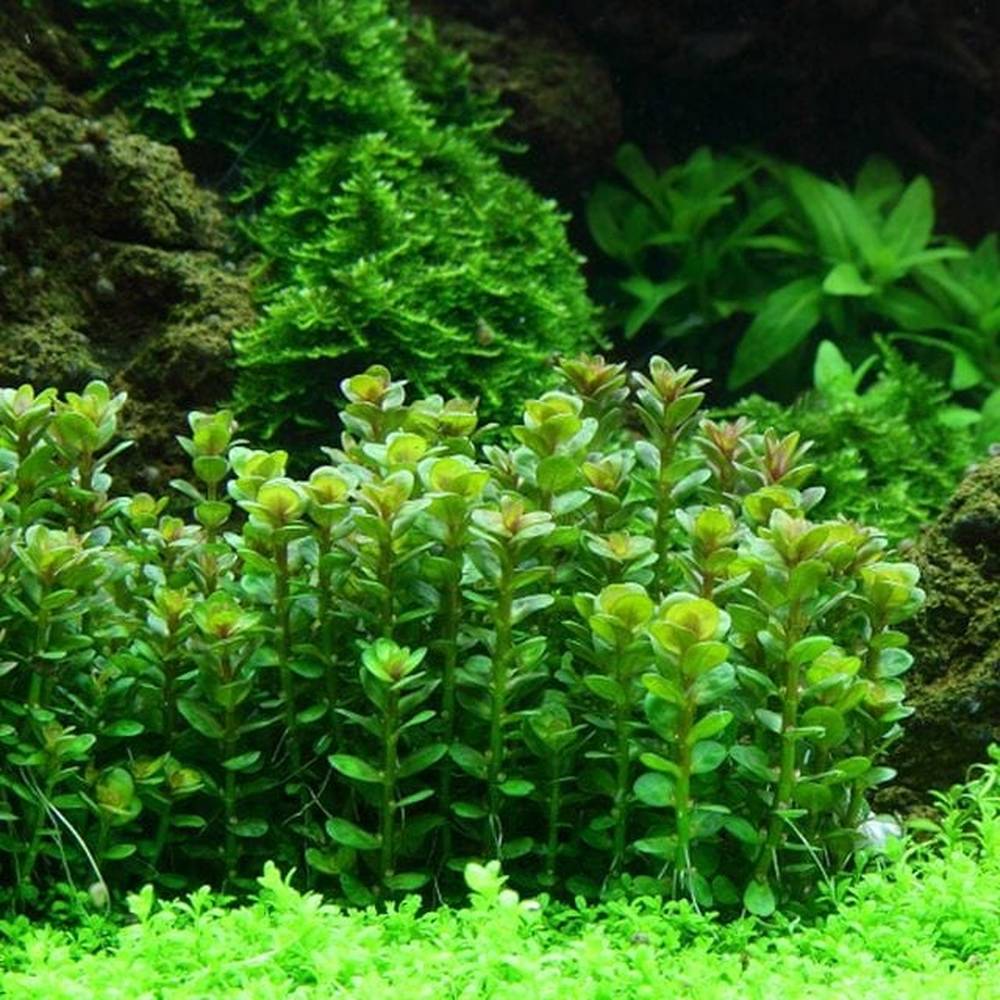
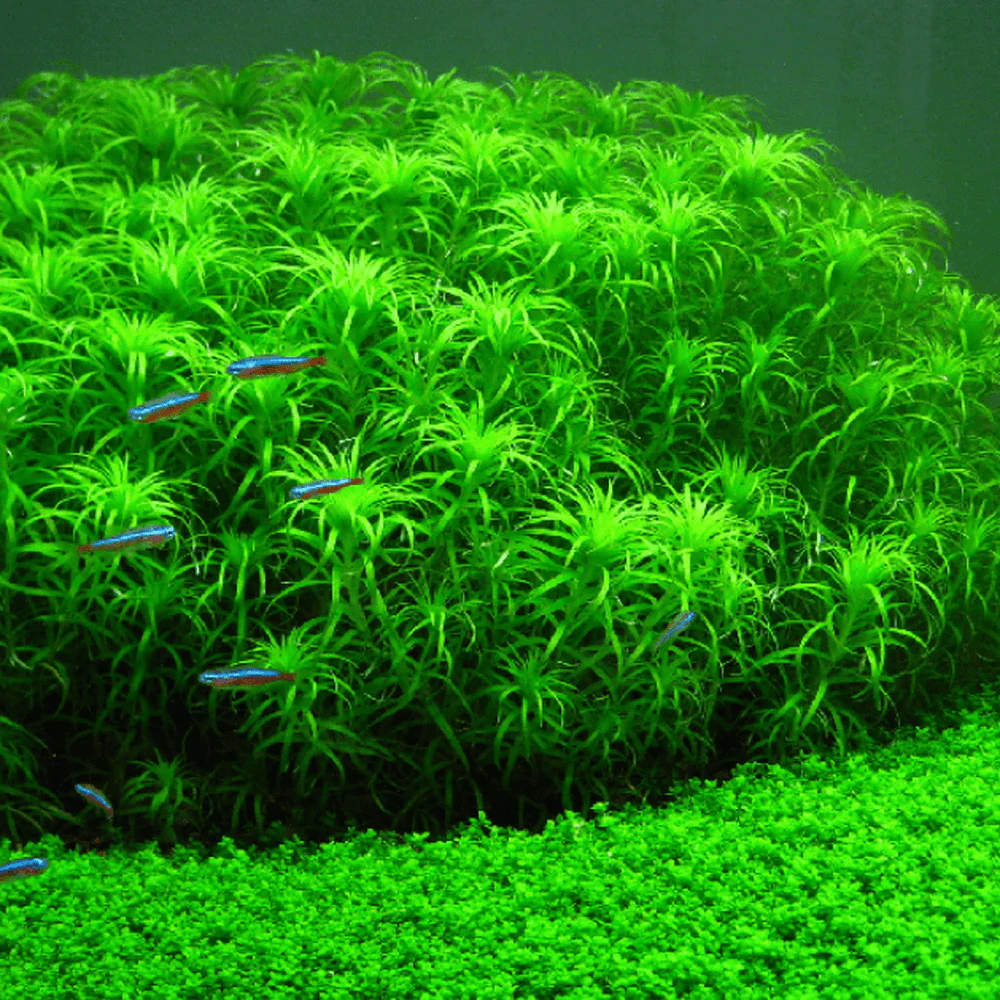
Dense Planting: Essential. They need plenty of mosses, Anubias, and stem plants to feel secure. A heavily planted tank will actually make them come out into the open more often.
-
Dark Substrate: Using a dark soil or sand helps their colors "pop" and makes them feel less exposed.
-
Low to Moderate Flow: They come from shallow, quiet ponds. Excessive current will exhaust them.
-
Stable Water: While they are fairly hardy once established, they do not handle ammonia or nitrite spikes well.
-
Dappled Lighting: Using floating plants like Salvinia creates a shaded environment that mimics their natural habitat and reduces their stress levels.
Product Information
Product Information
Shipping & Returns
Shipping & Returns
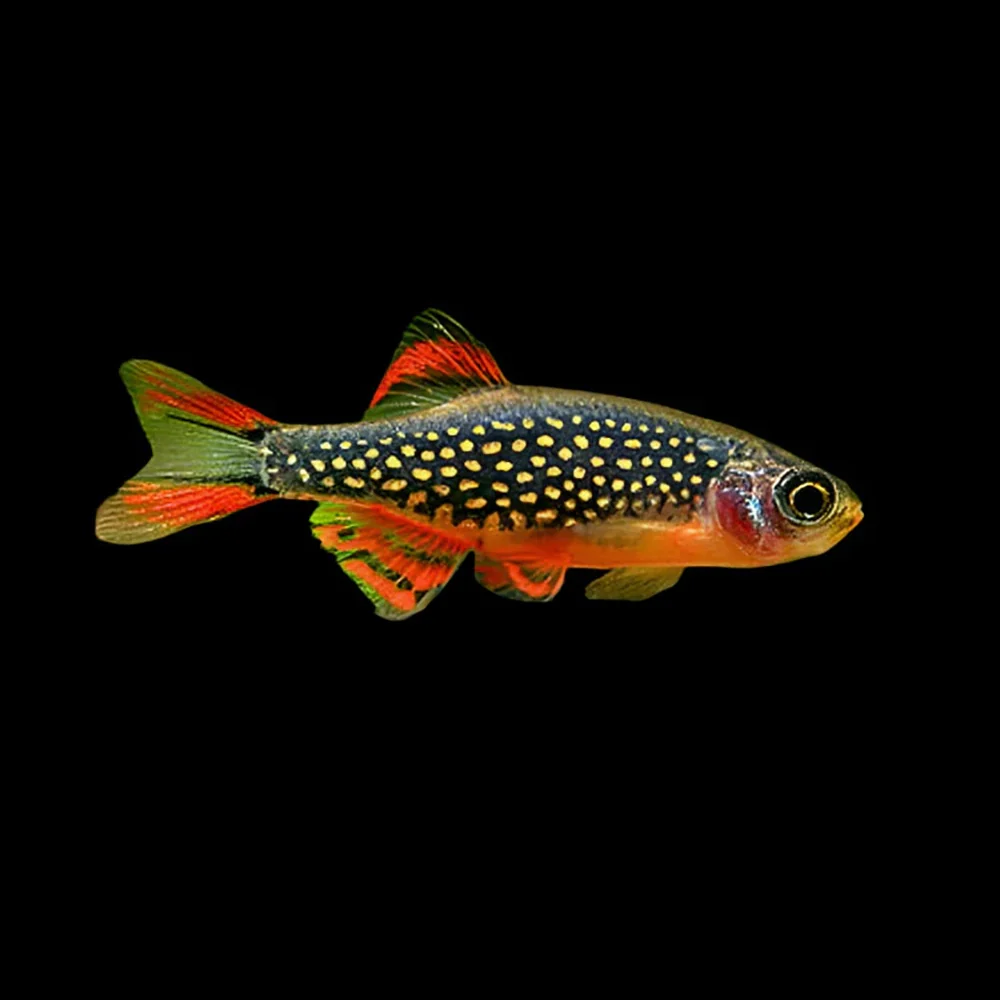
Danio Celestial Pearl (Celestichthys Margaritatus)
Danio Celestial Pearl (Celestichthys Margaritatus)
Celestial Pearl Danio (Celestichthys margaritatus)
The Celestial Pearl Danio is a tiny jewel of the freshwater world. It features a deep blue body covered in pearlescent cream spots that resemble a galaxy of stars. Males are especially stunning, with vibrant red-and-black striped fins that they "flicker" during courtship displays. Because of their tiny size (rarely exceeding 2 cm), they are the ultimate choice for high-end aquascapes, as they provide a sense of scale and life without overwhelming the visual design.
Key Information
-
Common Name: Celestial Pearl Danio, Galaxy Rasbora, CPD
-
Scientific Name: Celestichthys margaritatus
-
Origin: Myanmar (Shan State)
-
Max Size: 2–2.5 cm
-
Lifespan: 3–5 years
-
Temperament: Peaceful but shy
-
Diet: Omnivore – Small sinking pellets, crushed flakes, and tiny live/frozen foods like baby brine shrimp or daphnia.
-
Care Level: Moderate (Mainly due to their shy nature)
Water Parameters
| Parameter | Value |
| Temperature: | 20–26°C |
| pH: | 6.5–7.5 |
| Hardness: | 5–15 dGH |
| Minimum Tank Size: | 20L+ (Best in 40L+ for a group) |
Behaviour & Tank Compatibility
CPDs are schooling fish and should be kept in a group of 10 or more. In smaller groups, they can become extremely timid and may hide all day. They are peaceful community fish and are perfect for "shrimp-safe" setups. Ideal tank mates include Neocaridina shrimp, Chili Rasboras, and Pygmy Corydoras. Avoid keeping them with large, active, or aggressive fish that will intimidate them or view them as food.
Ideal Tank Setup
-
Dense Planting: Essential. They need plenty of mosses, Anubias, and stem plants to feel secure. A heavily planted tank will actually make them come out into the open more often.
-
Dark Substrate: Using a dark soil or sand helps their colors "pop" and makes them feel less exposed.
-
Low to Moderate Flow: They come from shallow, quiet ponds. Excessive current will exhaust them.
-
Stable Water: While they are fairly hardy once established, they do not handle ammonia or nitrite spikes well.
-
Dappled Lighting: Using floating plants like Salvinia creates a shaded environment that mimics their natural habitat and reduces their stress levels.
Original: $25.03
-65%$25.03
$8.76Product Information
Product Information
Shipping & Returns
Shipping & Returns
Description
Celestial Pearl Danio (Celestichthys margaritatus)
The Celestial Pearl Danio is a tiny jewel of the freshwater world. It features a deep blue body covered in pearlescent cream spots that resemble a galaxy of stars. Males are especially stunning, with vibrant red-and-black striped fins that they "flicker" during courtship displays. Because of their tiny size (rarely exceeding 2 cm), they are the ultimate choice for high-end aquascapes, as they provide a sense of scale and life without overwhelming the visual design.
Key Information
-
Common Name: Celestial Pearl Danio, Galaxy Rasbora, CPD
-
Scientific Name: Celestichthys margaritatus
-
Origin: Myanmar (Shan State)
-
Max Size: 2–2.5 cm
-
Lifespan: 3–5 years
-
Temperament: Peaceful but shy
-
Diet: Omnivore – Small sinking pellets, crushed flakes, and tiny live/frozen foods like baby brine shrimp or daphnia.
-
Care Level: Moderate (Mainly due to their shy nature)
Water Parameters
| Parameter | Value |
| Temperature: | 20–26°C |
| pH: | 6.5–7.5 |
| Hardness: | 5–15 dGH |
| Minimum Tank Size: | 20L+ (Best in 40L+ for a group) |
Behaviour & Tank Compatibility
CPDs are schooling fish and should be kept in a group of 10 or more. In smaller groups, they can become extremely timid and may hide all day. They are peaceful community fish and are perfect for "shrimp-safe" setups. Ideal tank mates include Neocaridina shrimp, Chili Rasboras, and Pygmy Corydoras. Avoid keeping them with large, active, or aggressive fish that will intimidate them or view them as food.
Ideal Tank Setup
-
Dense Planting: Essential. They need plenty of mosses, Anubias, and stem plants to feel secure. A heavily planted tank will actually make them come out into the open more often.
-
Dark Substrate: Using a dark soil or sand helps their colors "pop" and makes them feel less exposed.
-
Low to Moderate Flow: They come from shallow, quiet ponds. Excessive current will exhaust them.
-
Stable Water: While they are fairly hardy once established, they do not handle ammonia or nitrite spikes well.
-
Dappled Lighting: Using floating plants like Salvinia creates a shaded environment that mimics their natural habitat and reduces their stress levels.