Rasbora Maculata (Boraras Maculatus)
Dwarf Rasbora (Boraras maculatus)
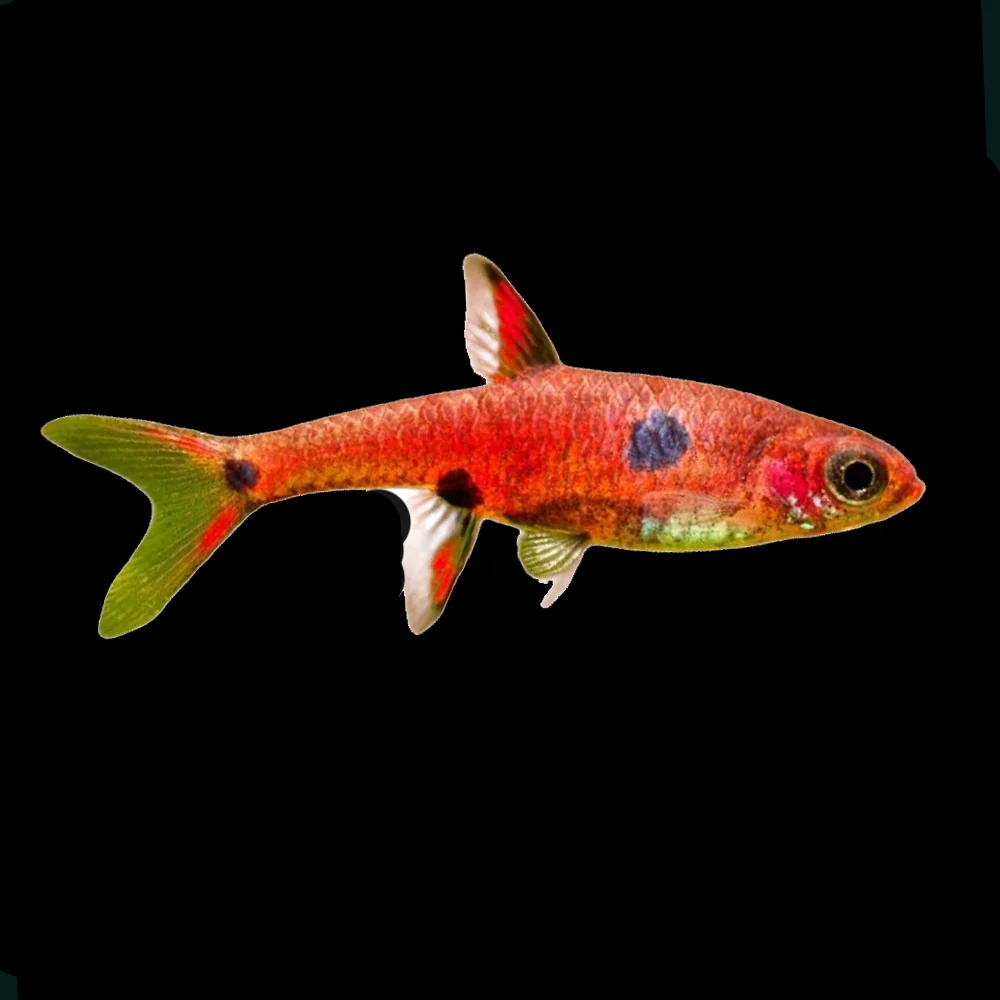
The Dwarf Rasbora is a tiny, colorful cyprinid native to the peat swamps and blackwater streams of Southeast Asia, including Sumatra and Kalimantan in Indonesia. It is characterized by a warm, cherry-red body decorated with three distinct dark spots: one on the side, one at the base of the anal fin, and one at the base of the tail. While they don't have the solid stripe of the Chili Rasbora, their spotted pattern gives them a playful, "polka-dot" appearance that looks fantastic in a school.
Key Information
-
Common Name: Dwarf Rasbora, Pygmy Rasbora, Spotted Rasbora
-
Scientific Name: Boraras maculatus
-
Origin: Southeast Asia (Malaysia, Singapore, Indonesia)
-
Max Size: 2–2.5 cm
-
Lifespan: 3–5 years
-
Temperament: Very peaceful
-
Diet: Omnivore – Requires tiny foods. High-quality crushed flakes, micro-pellets, and baby brine shrimp or daphnia are ideal.
-
Care Level: Easy to Moderate
Water Parameters
| Parameter | Value |
| Temperature: | 23–28°C |
| pH: | 4.5–7.0 (Ideally soft and acidic) |
| Hardness: | 1–10 dGH |
| Minimum Tank Size: | 20L+ (Best in 40L+ for stable parameters) |
Behaviour & Tank Compatibility
Dwarf Rasboras are schooling fish and must be kept in a group of 10 or more. Because of their tiny size, they feel safety in numbers; a school of 20 or 30 in a planted tank is a spectacular sight. They are exceptionally peaceful and are completely "Shrimp Safe", making them perfect for your high-end Neocaridina or Caridina shrimp tanks. Ideal tank mates include other Boraras species, Neon Blue Acaras (if the tank is large and heavily planted), and Celestial Pearl Danios.
Ideal Tank Setup
-
Blackwater Conditions: To see their true cherry-red color, add tannins using catappa leaves, driftwood, or alder cones. In clear, hard water, they will often stay a pale orange.
-
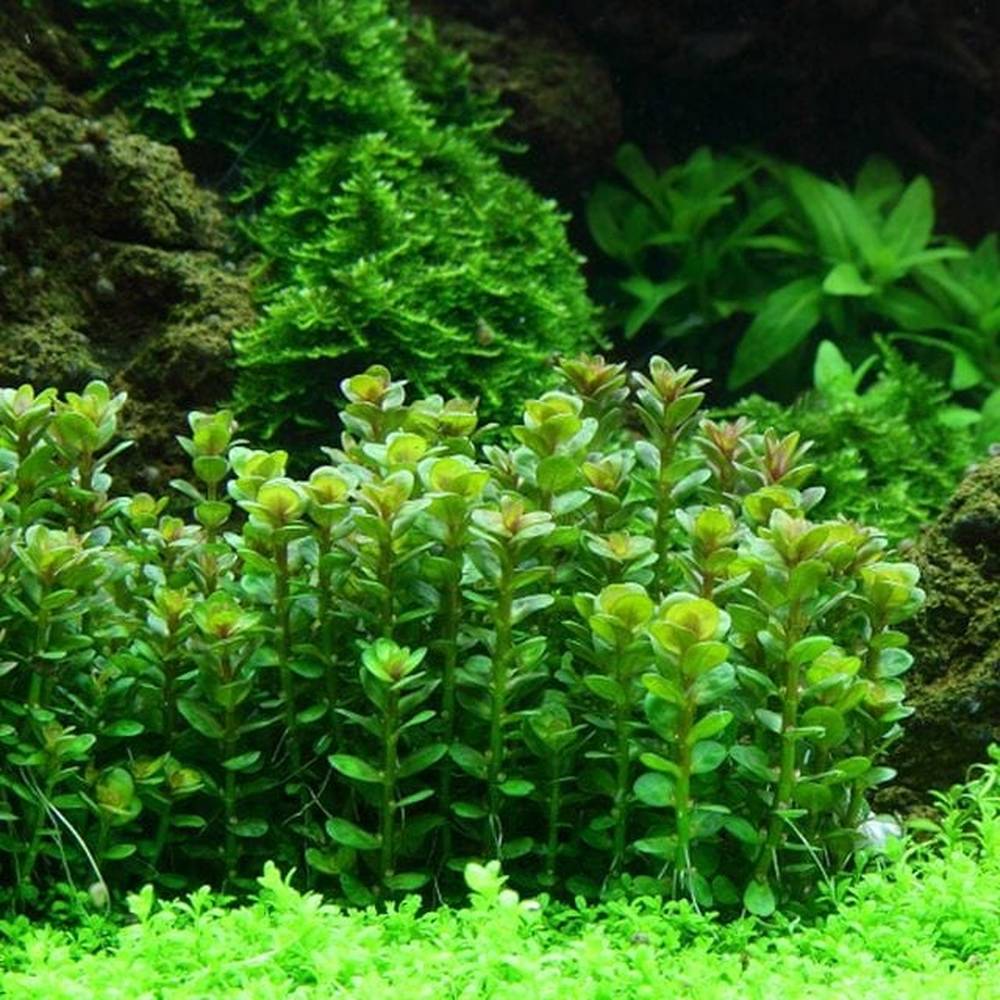
Dense Vegetation: They love mosses, Bucephalandra, and floating plants like Salvinia. These provide cover and harbor the tiny microorganisms they like to snack on.
-
Dark Substrate: Essential for making their colors pop. On light-colored sand, they tend to look washed out.
-
Gentle Filtration: Use a sponge filter or a pre-filter intake sponge. These fish are so small and light that they can easily be sucked into high-power canister filters.
-
Dim Lighting: They prefer dappled light. High-intensity lighting can make them timid and shy.
Product Information
Product Information
Shipping & Returns
Shipping & Returns
Rasbora Maculata (Boraras Maculatus)
Rasbora Maculata (Boraras Maculatus)
Dwarf Rasbora (Boraras maculatus)
The Dwarf Rasbora is a tiny, colorful cyprinid native to the peat swamps and blackwater streams of Southeast Asia, including Sumatra and Kalimantan in Indonesia. It is characterized by a warm, cherry-red body decorated with three distinct dark spots: one on the side, one at the base of the anal fin, and one at the base of the tail. While they don't have the solid stripe of the Chili Rasbora, their spotted pattern gives them a playful, "polka-dot" appearance that looks fantastic in a school.
Key Information
-
Common Name: Dwarf Rasbora, Pygmy Rasbora, Spotted Rasbora
-
Scientific Name: Boraras maculatus
-
Origin: Southeast Asia (Malaysia, Singapore, Indonesia)
-
Max Size: 2–2.5 cm
-
Lifespan: 3–5 years
-
Temperament: Very peaceful
-
Diet: Omnivore – Requires tiny foods. High-quality crushed flakes, micro-pellets, and baby brine shrimp or daphnia are ideal.
-
Care Level: Easy to Moderate
Water Parameters
| Parameter | Value |
| Temperature: | 23–28°C |
| pH: | 4.5–7.0 (Ideally soft and acidic) |
| Hardness: | 1–10 dGH |
| Minimum Tank Size: | 20L+ (Best in 40L+ for stable parameters) |
Behaviour & Tank Compatibility
Dwarf Rasboras are schooling fish and must be kept in a group of 10 or more. Because of their tiny size, they feel safety in numbers; a school of 20 or 30 in a planted tank is a spectacular sight. They are exceptionally peaceful and are completely "Shrimp Safe", making them perfect for your high-end Neocaridina or Caridina shrimp tanks. Ideal tank mates include other Boraras species, Neon Blue Acaras (if the tank is large and heavily planted), and Celestial Pearl Danios.
Ideal Tank Setup
-
Blackwater Conditions: To see their true cherry-red color, add tannins using catappa leaves, driftwood, or alder cones. In clear, hard water, they will often stay a pale orange.
-
Dense Vegetation: They love mosses, Bucephalandra, and floating plants like Salvinia. These provide cover and harbor the tiny microorganisms they like to snack on.
-
Dark Substrate: Essential for making their colors pop. On light-colored sand, they tend to look washed out.
-
Gentle Filtration: Use a sponge filter or a pre-filter intake sponge. These fish are so small and light that they can easily be sucked into high-power canister filters.
-
Dim Lighting: They prefer dappled light. High-intensity lighting can make them timid and shy.
Original: $5.72
-65%$5.72
$2.00Product Information
Product Information
Shipping & Returns
Shipping & Returns
Description
Dwarf Rasbora (Boraras maculatus)
The Dwarf Rasbora is a tiny, colorful cyprinid native to the peat swamps and blackwater streams of Southeast Asia, including Sumatra and Kalimantan in Indonesia. It is characterized by a warm, cherry-red body decorated with three distinct dark spots: one on the side, one at the base of the anal fin, and one at the base of the tail. While they don't have the solid stripe of the Chili Rasbora, their spotted pattern gives them a playful, "polka-dot" appearance that looks fantastic in a school.
Key Information
-
Common Name: Dwarf Rasbora, Pygmy Rasbora, Spotted Rasbora
-
Scientific Name: Boraras maculatus
-
Origin: Southeast Asia (Malaysia, Singapore, Indonesia)
-
Max Size: 2–2.5 cm
-
Lifespan: 3–5 years
-
Temperament: Very peaceful
-
Diet: Omnivore – Requires tiny foods. High-quality crushed flakes, micro-pellets, and baby brine shrimp or daphnia are ideal.
-
Care Level: Easy to Moderate
Water Parameters
| Parameter | Value |
| Temperature: | 23–28°C |
| pH: | 4.5–7.0 (Ideally soft and acidic) |
| Hardness: | 1–10 dGH |
| Minimum Tank Size: | 20L+ (Best in 40L+ for stable parameters) |
Behaviour & Tank Compatibility
Dwarf Rasboras are schooling fish and must be kept in a group of 10 or more. Because of their tiny size, they feel safety in numbers; a school of 20 or 30 in a planted tank is a spectacular sight. They are exceptionally peaceful and are completely "Shrimp Safe", making them perfect for your high-end Neocaridina or Caridina shrimp tanks. Ideal tank mates include other Boraras species, Neon Blue Acaras (if the tank is large and heavily planted), and Celestial Pearl Danios.
Ideal Tank Setup
-
Blackwater Conditions: To see their true cherry-red color, add tannins using catappa leaves, driftwood, or alder cones. In clear, hard water, they will often stay a pale orange.
-
Dense Vegetation: They love mosses, Bucephalandra, and floating plants like Salvinia. These provide cover and harbor the tiny microorganisms they like to snack on.
-
Dark Substrate: Essential for making their colors pop. On light-colored sand, they tend to look washed out.
-
Gentle Filtration: Use a sponge filter or a pre-filter intake sponge. These fish are so small and light that they can easily be sucked into high-power canister filters.
-
Dim Lighting: They prefer dappled light. High-intensity lighting can make them timid and shy.