Rasbora Orange Line (Trigonopoma Pauciperforatum)
Orange Line Rasbora (Trigonopoma pauciperforatum)
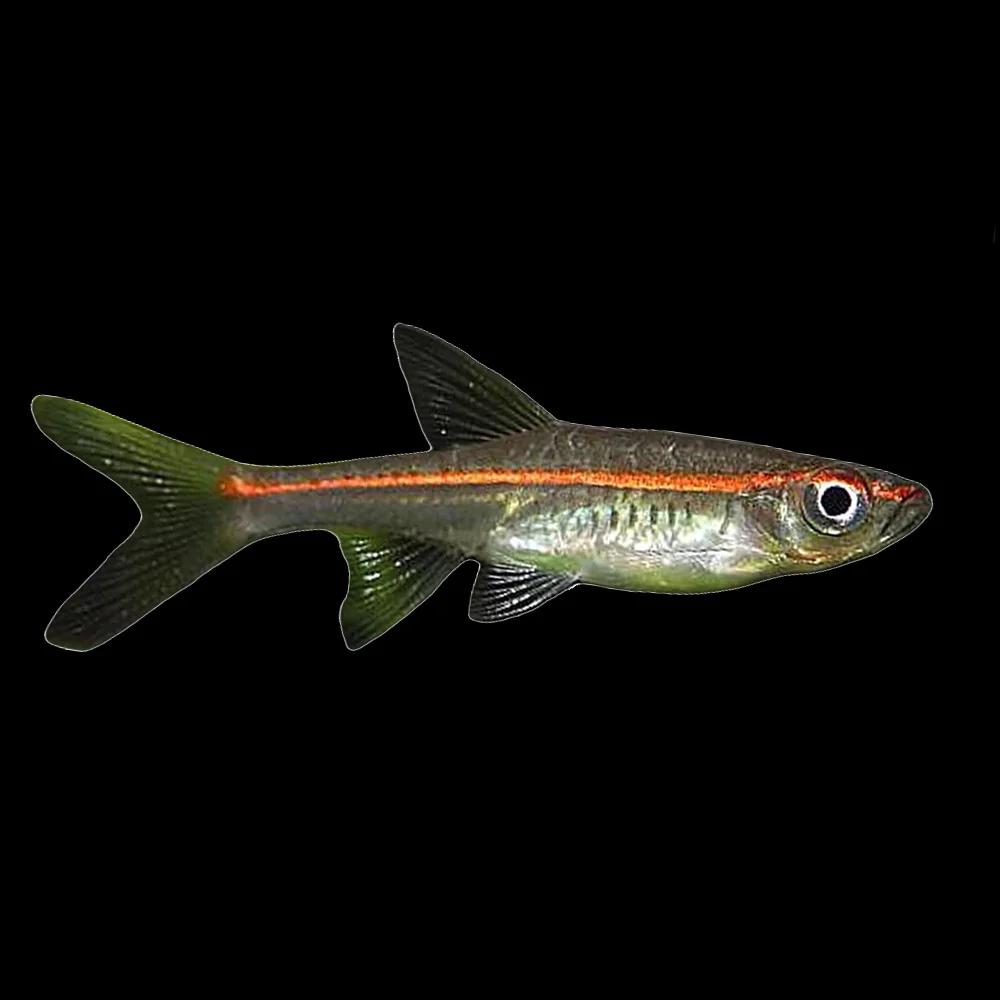
The Orange Line Rasbora is a slender, elegant schooling fish native to the peat swamp forests and blackwater streams of Southeast Asia, including Sumatra and Kalimantan in Indonesia. It features a translucent, brownish-silver body that acts as a perfect backdrop for its namesake: a vibrant, iridescent orange stripe that seems to "glow" when hit by the right light. They are active swimmers and provide a sophisticated, streamlined look to a planted aquarium.
Key Information
-
Common Name: Orange Line Rasbora, Redstripe Rasbora, Glowlight Rasbora
-
Scientific Name: Trigonopoma pauciperforatum
-
Origin: Southeast Asia (Malaysia, Indonesia, Thailand)
-
Max Size: 5–6 cm
-
Lifespan: 3–5 years
-
Temperament: Very peaceful
-
Diet: Omnivore – Readily accepts high-quality flakes, micro-pellets, and frozen foods like daphnia or bloodworms.
-
Care Level: Easy to Moderate
Water Parameters
| Parameter | Value |
| Temperature: | 23–29°C |
| pH: | 4.0–7.0 (Strictly prefers acidic water) |
| Hardness: | 1–10 dGH (Soft water is essential) |
| Minimum Tank Size: | 60L+ (Needs horizontal length) |
Behaviour & Tank Compatibility
Orange Line Rasboras are highly social and must be kept in a group of at least 8–10. They are "true" schoolers and will often swim in tight formation, especially in larger tanks. They are peaceful and make excellent community residents. Ideal tank mates include other Rasboras, Neon Blue Acaras, Corydoras, and Neocaridina Shrimp. Because they are streamlined and fast, they can also live with slightly larger, peaceful fish like Gouramis.
Ideal Tank Setup
-
Blackwater Conditions: This fish is a blackwater specialist. Adding tannins from driftwood or catappa leaves is the best way to make that orange line "pop" and glow.
-
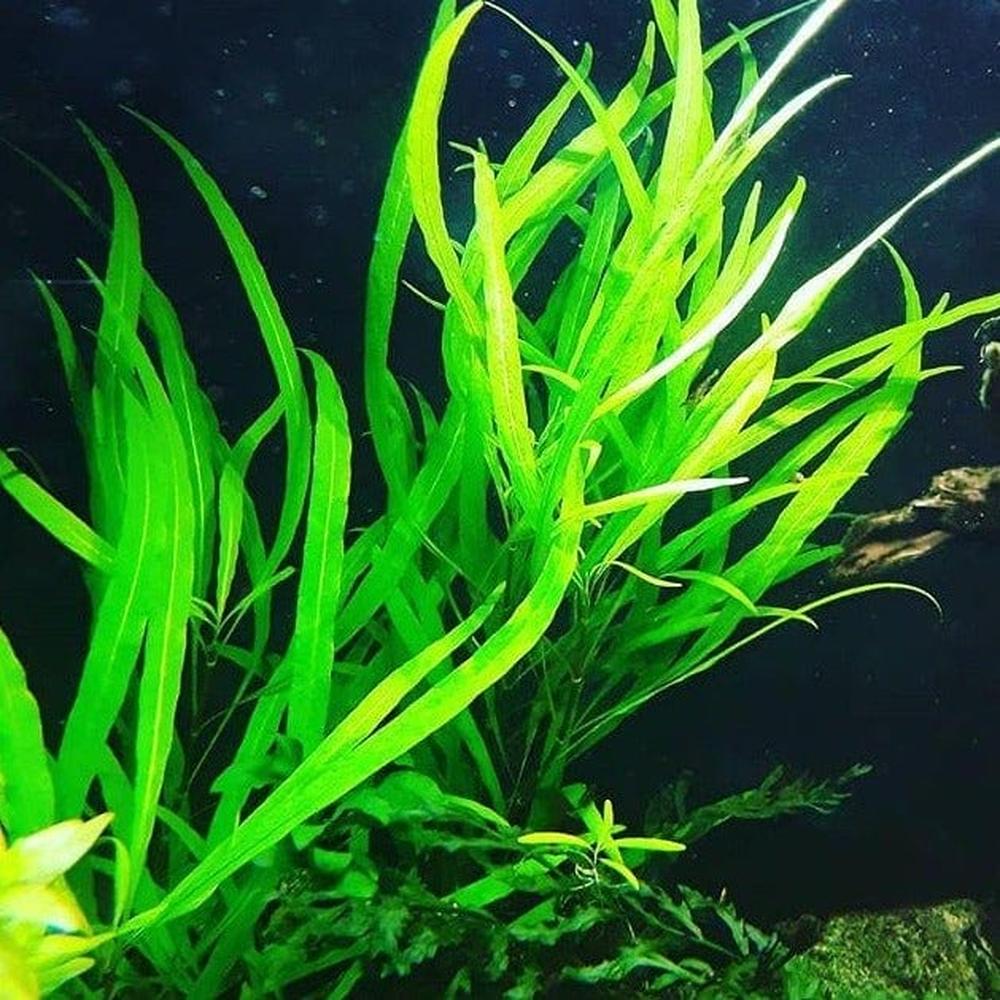
Dense Background Planting: They look stunning darting in and out of tall plants like Vallisneria or Cryptocorynes.
-
Dark Substrate: Essential. On light sand, their translucent bodies can look washed out, and the orange stripe won't be as visible.
-
Gentle Flow: They come from slow-moving or still peat swamps, so avoid high-powered powerheads that create too much turbulence.
-
Floating Plants: These provide the shaded environment they love, helping them feel secure and encouraging them to swim in the middle layers.
Why Choose the Orange Line Rasbora?
The Orange Line Rasbora is for the aquarist who wants a "sophisticated" schooler. They offer a more subtle beauty than the Harlequin, but their "neon" stripe provides a unique visual rhythm in a long, planted tank. If you are a fan of the "Amazonian" look but want to stay true to Indonesian native species, this is a top-tier choice for a blackwater biotope.
Product Information
Product Information
Shipping & Returns
Shipping & Returns
Rasbora Orange Line (Trigonopoma Pauciperforatum)
Rasbora Orange Line (Trigonopoma Pauciperforatum)
Orange Line Rasbora (Trigonopoma pauciperforatum)
The Orange Line Rasbora is a slender, elegant schooling fish native to the peat swamp forests and blackwater streams of Southeast Asia, including Sumatra and Kalimantan in Indonesia. It features a translucent, brownish-silver body that acts as a perfect backdrop for its namesake: a vibrant, iridescent orange stripe that seems to "glow" when hit by the right light. They are active swimmers and provide a sophisticated, streamlined look to a planted aquarium.
Key Information
-
Common Name: Orange Line Rasbora, Redstripe Rasbora, Glowlight Rasbora
-
Scientific Name: Trigonopoma pauciperforatum
-
Origin: Southeast Asia (Malaysia, Indonesia, Thailand)
-
Max Size: 5–6 cm
-
Lifespan: 3–5 years
-
Temperament: Very peaceful
-
Diet: Omnivore – Readily accepts high-quality flakes, micro-pellets, and frozen foods like daphnia or bloodworms.
-
Care Level: Easy to Moderate
Water Parameters
| Parameter | Value |
| Temperature: | 23–29°C |
| pH: | 4.0–7.0 (Strictly prefers acidic water) |
| Hardness: | 1–10 dGH (Soft water is essential) |
| Minimum Tank Size: | 60L+ (Needs horizontal length) |
Behaviour & Tank Compatibility
Orange Line Rasboras are highly social and must be kept in a group of at least 8–10. They are "true" schoolers and will often swim in tight formation, especially in larger tanks. They are peaceful and make excellent community residents. Ideal tank mates include other Rasboras, Neon Blue Acaras, Corydoras, and Neocaridina Shrimp. Because they are streamlined and fast, they can also live with slightly larger, peaceful fish like Gouramis.
Ideal Tank Setup
-
Blackwater Conditions: This fish is a blackwater specialist. Adding tannins from driftwood or catappa leaves is the best way to make that orange line "pop" and glow.
-
Dense Background Planting: They look stunning darting in and out of tall plants like Vallisneria or Cryptocorynes.
-
Dark Substrate: Essential. On light sand, their translucent bodies can look washed out, and the orange stripe won't be as visible.
-
Gentle Flow: They come from slow-moving or still peat swamps, so avoid high-powered powerheads that create too much turbulence.
-
Floating Plants: These provide the shaded environment they love, helping them feel secure and encouraging them to swim in the middle layers.
Why Choose the Orange Line Rasbora?
The Orange Line Rasbora is for the aquarist who wants a "sophisticated" schooler. They offer a more subtle beauty than the Harlequin, but their "neon" stripe provides a unique visual rhythm in a long, planted tank. If you are a fan of the "Amazonian" look but want to stay true to Indonesian native species, this is a top-tier choice for a blackwater biotope.
Product Information
Product Information
Shipping & Returns
Shipping & Returns
Description
Orange Line Rasbora (Trigonopoma pauciperforatum)
The Orange Line Rasbora is a slender, elegant schooling fish native to the peat swamp forests and blackwater streams of Southeast Asia, including Sumatra and Kalimantan in Indonesia. It features a translucent, brownish-silver body that acts as a perfect backdrop for its namesake: a vibrant, iridescent orange stripe that seems to "glow" when hit by the right light. They are active swimmers and provide a sophisticated, streamlined look to a planted aquarium.
Key Information
-
Common Name: Orange Line Rasbora, Redstripe Rasbora, Glowlight Rasbora
-
Scientific Name: Trigonopoma pauciperforatum
-
Origin: Southeast Asia (Malaysia, Indonesia, Thailand)
-
Max Size: 5–6 cm
-
Lifespan: 3–5 years
-
Temperament: Very peaceful
-
Diet: Omnivore – Readily accepts high-quality flakes, micro-pellets, and frozen foods like daphnia or bloodworms.
-
Care Level: Easy to Moderate
Water Parameters
| Parameter | Value |
| Temperature: | 23–29°C |
| pH: | 4.0–7.0 (Strictly prefers acidic water) |
| Hardness: | 1–10 dGH (Soft water is essential) |
| Minimum Tank Size: | 60L+ (Needs horizontal length) |
Behaviour & Tank Compatibility
Orange Line Rasboras are highly social and must be kept in a group of at least 8–10. They are "true" schoolers and will often swim in tight formation, especially in larger tanks. They are peaceful and make excellent community residents. Ideal tank mates include other Rasboras, Neon Blue Acaras, Corydoras, and Neocaridina Shrimp. Because they are streamlined and fast, they can also live with slightly larger, peaceful fish like Gouramis.
Ideal Tank Setup
-
Blackwater Conditions: This fish is a blackwater specialist. Adding tannins from driftwood or catappa leaves is the best way to make that orange line "pop" and glow.
-
Dense Background Planting: They look stunning darting in and out of tall plants like Vallisneria or Cryptocorynes.
-
Dark Substrate: Essential. On light sand, their translucent bodies can look washed out, and the orange stripe won't be as visible.
-
Gentle Flow: They come from slow-moving or still peat swamps, so avoid high-powered powerheads that create too much turbulence.
-
Floating Plants: These provide the shaded environment they love, helping them feel secure and encouraging them to swim in the middle layers.
Why Choose the Orange Line Rasbora?
The Orange Line Rasbora is for the aquarist who wants a "sophisticated" schooler. They offer a more subtle beauty than the Harlequin, but their "neon" stripe provides a unique visual rhythm in a long, planted tank. If you are a fan of the "Amazonian" look but want to stay true to Indonesian native species, this is a top-tier choice for a blackwater biotope.