Reidi Seahorse (Hippocampus Reidi)
Longsnout Seahorse (Hippocampus reidi)
The Reidi Seahorse, also known as the Brazilian Seahorse or Slender Seahorse, is one of the most popular and hardy species in the hobby. While many seahorses are difficult to keep, the H. reidi is prized for its larger size, stunning color variations, and its ability to adapt well to aquarium life, especially when sourced as captive-bred specimens.
Key Information
-
Common Names: Reidi Seahorse, Longsnout Seahorse, Slender Seahorse
-
Scientific Name: Hippocampus reidi
-
Origin: Western Atlantic (North Carolina to Brazil)
-
Max Size: 15–18 cm (approx. 6–7 inches)
-
Lifespan: 3–5 years
-
Temperament: Peaceful / Passive
-
Diet: Carnivore – Specialized hunter of tiny crustaceans
-
Care Level: Difficult (Expert only)
Appearance & Identification
The Reidi is known for its elegant, elongated silhouette:
-
The Colors: They are masters of camouflage. While they are often a brilliant yellow or orange, they can change their color to match their surroundings, ranging from black and brown to a rare, vivid red.
-
The "Freckles": They typically have numerous small black spots (freckles) across their body, which helps distinguish them from other species.
-
The Snout: Features a long, thick snout used for high-velocity "snicking" of prey.
-
The Skin: Unlike fish with scales, seahorses have skin stretched over bony plates. They lack pelvic and anal fins, using their small dorsal fin for propulsion and their prehensile tail to anchor themselves.
Behaviour & Tank Compatibility
-
The Anchor Life: Seahorses are not strong swimmers. They spend most of their day hitched to "hitchpointing" posts (corals, plants, or rocks) with their tails, waiting for food to float by.
-
Social Structure: They are social animals and should ideally be kept in pairs or small groups. They are famous for their morning "greeting dance" where a pair will change colors and swim together.
-
Reef Safe (with Caution): They are safe with corals, but there is a catch: seahorses can be stung by aggressive corals (like Galaxea or Hammers) and can be pinched by large crabs or anemones.
-
Tank Mates: Must be kept with extremely peaceful, slow-moving fish. They will starve if kept with fast eaters like Tangs or Wrasses. Excellent with Pipefish, Dragonets, and small Gobies.
Ideal Tank Setup
-
Tank Size: A minimum of 115L (30 Gallons) for a pair. Tall tanks are better than long tanks, as they need vertical space for their mating rituals.
-
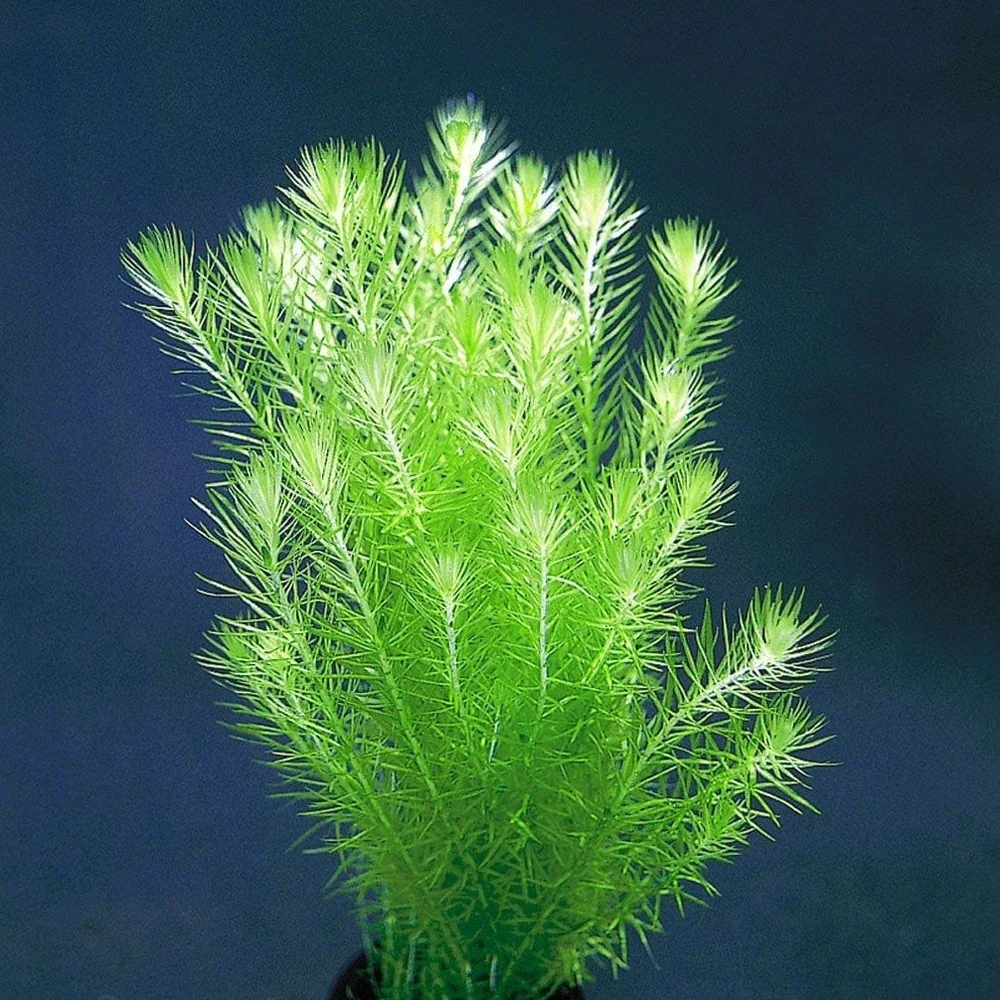
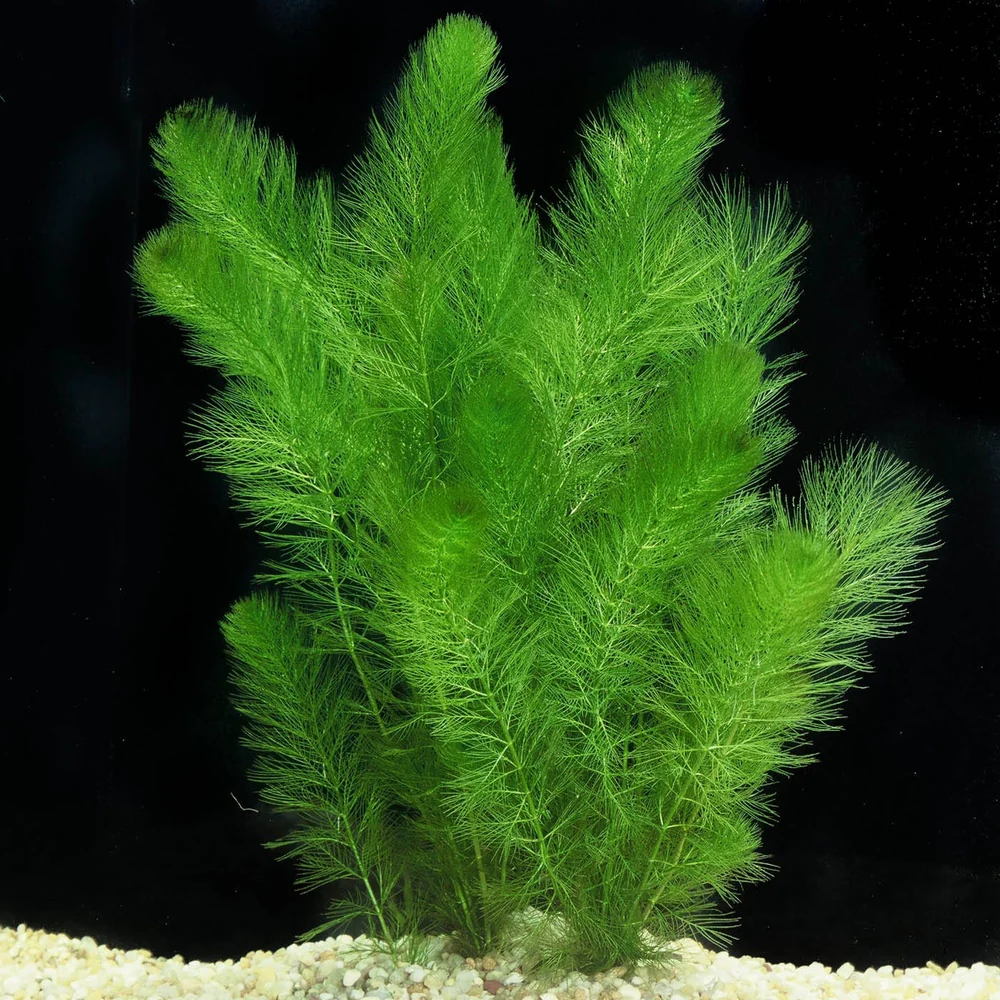
Hitchposts: You must provide plenty of "hitching posts"—flexible coral-like structures, macroalgae (like Caulerpa), or specialized synthetic hitching posts.
-
Temperature: This is critical. They prefer cooler water, ideally between 22°C–24°C. Higher temperatures can lead to bacterial infections (Vibrio).
-
Flow: They require low to moderate flow. They need areas of very calm water so they don't get exhausted trying to stay upright.
Dietary Needs: The Daily Commitment
-
Captive-Bred Advantage: Always look for captive-bred (CB) Reidi. Wild-caught seahorses often refuse to eat frozen food and carry parasites.
-
Feeding: They must be fed at least 2–3 times a day.
-
Preferred Foods: Frozen PE Mysis is the gold standard. They generally ignore flakes or pellets.
-
Cleanup Crew: Because they are slow eaters, a "cleanup crew" of Nassarius snails or Bristle worms is vital to eat the leftovers they miss.
Why Choose the Reidi Seahorse?
The Reidi Seahorse is for the hobbyist who wants a highly interactive and unique aquatic pet. They are one of the few marine animals that truly seem to "watch" you through the glass. While they require a dedicated system and a strict feeding schedule, the reward of seeing their complex social behaviors and stunning color changes makes them the ultimate "specialist" species for a quiet, focused reef tank.
Product Information
Product Information
Shipping & Returns
Shipping & Returns

Reidi Seahorse (Hippocampus Reidi)
Reidi Seahorse (Hippocampus Reidi)
Longsnout Seahorse (Hippocampus reidi)
The Reidi Seahorse, also known as the Brazilian Seahorse or Slender Seahorse, is one of the most popular and hardy species in the hobby. While many seahorses are difficult to keep, the H. reidi is prized for its larger size, stunning color variations, and its ability to adapt well to aquarium life, especially when sourced as captive-bred specimens.
Key Information
-
Common Names: Reidi Seahorse, Longsnout Seahorse, Slender Seahorse
-
Scientific Name: Hippocampus reidi
-
Origin: Western Atlantic (North Carolina to Brazil)
-
Max Size: 15–18 cm (approx. 6–7 inches)
-
Lifespan: 3–5 years
-
Temperament: Peaceful / Passive
-
Diet: Carnivore – Specialized hunter of tiny crustaceans
-
Care Level: Difficult (Expert only)
Appearance & Identification
The Reidi is known for its elegant, elongated silhouette:
-
The Colors: They are masters of camouflage. While they are often a brilliant yellow or orange, they can change their color to match their surroundings, ranging from black and brown to a rare, vivid red.
-
The "Freckles": They typically have numerous small black spots (freckles) across their body, which helps distinguish them from other species.
-
The Snout: Features a long, thick snout used for high-velocity "snicking" of prey.
-
The Skin: Unlike fish with scales, seahorses have skin stretched over bony plates. They lack pelvic and anal fins, using their small dorsal fin for propulsion and their prehensile tail to anchor themselves.
Behaviour & Tank Compatibility
-
The Anchor Life: Seahorses are not strong swimmers. They spend most of their day hitched to "hitchpointing" posts (corals, plants, or rocks) with their tails, waiting for food to float by.
-
Social Structure: They are social animals and should ideally be kept in pairs or small groups. They are famous for their morning "greeting dance" where a pair will change colors and swim together.
-
Reef Safe (with Caution): They are safe with corals, but there is a catch: seahorses can be stung by aggressive corals (like Galaxea or Hammers) and can be pinched by large crabs or anemones.
-
Tank Mates: Must be kept with extremely peaceful, slow-moving fish. They will starve if kept with fast eaters like Tangs or Wrasses. Excellent with Pipefish, Dragonets, and small Gobies.
Ideal Tank Setup
-
Tank Size: A minimum of 115L (30 Gallons) for a pair. Tall tanks are better than long tanks, as they need vertical space for their mating rituals.
-
Hitchposts: You must provide plenty of "hitching posts"—flexible coral-like structures, macroalgae (like Caulerpa), or specialized synthetic hitching posts.
-
Temperature: This is critical. They prefer cooler water, ideally between 22°C–24°C. Higher temperatures can lead to bacterial infections (Vibrio).
-
Flow: They require low to moderate flow. They need areas of very calm water so they don't get exhausted trying to stay upright.
Dietary Needs: The Daily Commitment
-
Captive-Bred Advantage: Always look for captive-bred (CB) Reidi. Wild-caught seahorses often refuse to eat frozen food and carry parasites.
-
Feeding: They must be fed at least 2–3 times a day.
-
Preferred Foods: Frozen PE Mysis is the gold standard. They generally ignore flakes or pellets.
-
Cleanup Crew: Because they are slow eaters, a "cleanup crew" of Nassarius snails or Bristle worms is vital to eat the leftovers they miss.
Why Choose the Reidi Seahorse?
The Reidi Seahorse is for the hobbyist who wants a highly interactive and unique aquatic pet. They are one of the few marine animals that truly seem to "watch" you through the glass. While they require a dedicated system and a strict feeding schedule, the reward of seeing their complex social behaviors and stunning color changes makes them the ultimate "specialist" species for a quiet, focused reef tank.
Product Information
Product Information
Shipping & Returns
Shipping & Returns
Description
Longsnout Seahorse (Hippocampus reidi)
The Reidi Seahorse, also known as the Brazilian Seahorse or Slender Seahorse, is one of the most popular and hardy species in the hobby. While many seahorses are difficult to keep, the H. reidi is prized for its larger size, stunning color variations, and its ability to adapt well to aquarium life, especially when sourced as captive-bred specimens.
Key Information
-
Common Names: Reidi Seahorse, Longsnout Seahorse, Slender Seahorse
-
Scientific Name: Hippocampus reidi
-
Origin: Western Atlantic (North Carolina to Brazil)
-
Max Size: 15–18 cm (approx. 6–7 inches)
-
Lifespan: 3–5 years
-
Temperament: Peaceful / Passive
-
Diet: Carnivore – Specialized hunter of tiny crustaceans
-
Care Level: Difficult (Expert only)
Appearance & Identification
The Reidi is known for its elegant, elongated silhouette:
-
The Colors: They are masters of camouflage. While they are often a brilliant yellow or orange, they can change their color to match their surroundings, ranging from black and brown to a rare, vivid red.
-
The "Freckles": They typically have numerous small black spots (freckles) across their body, which helps distinguish them from other species.
-
The Snout: Features a long, thick snout used for high-velocity "snicking" of prey.
-
The Skin: Unlike fish with scales, seahorses have skin stretched over bony plates. They lack pelvic and anal fins, using their small dorsal fin for propulsion and their prehensile tail to anchor themselves.
Behaviour & Tank Compatibility
-
The Anchor Life: Seahorses are not strong swimmers. They spend most of their day hitched to "hitchpointing" posts (corals, plants, or rocks) with their tails, waiting for food to float by.
-
Social Structure: They are social animals and should ideally be kept in pairs or small groups. They are famous for their morning "greeting dance" where a pair will change colors and swim together.
-
Reef Safe (with Caution): They are safe with corals, but there is a catch: seahorses can be stung by aggressive corals (like Galaxea or Hammers) and can be pinched by large crabs or anemones.
-
Tank Mates: Must be kept with extremely peaceful, slow-moving fish. They will starve if kept with fast eaters like Tangs or Wrasses. Excellent with Pipefish, Dragonets, and small Gobies.
Ideal Tank Setup
-
Tank Size: A minimum of 115L (30 Gallons) for a pair. Tall tanks are better than long tanks, as they need vertical space for their mating rituals.
-
Hitchposts: You must provide plenty of "hitching posts"—flexible coral-like structures, macroalgae (like Caulerpa), or specialized synthetic hitching posts.
-
Temperature: This is critical. They prefer cooler water, ideally between 22°C–24°C. Higher temperatures can lead to bacterial infections (Vibrio).
-
Flow: They require low to moderate flow. They need areas of very calm water so they don't get exhausted trying to stay upright.
Dietary Needs: The Daily Commitment
-
Captive-Bred Advantage: Always look for captive-bred (CB) Reidi. Wild-caught seahorses often refuse to eat frozen food and carry parasites.
-
Feeding: They must be fed at least 2–3 times a day.
-
Preferred Foods: Frozen PE Mysis is the gold standard. They generally ignore flakes or pellets.
-
Cleanup Crew: Because they are slow eaters, a "cleanup crew" of Nassarius snails or Bristle worms is vital to eat the leftovers they miss.
Why Choose the Reidi Seahorse?
The Reidi Seahorse is for the hobbyist who wants a highly interactive and unique aquatic pet. They are one of the few marine animals that truly seem to "watch" you through the glass. While they require a dedicated system and a strict feeding schedule, the reward of seeing their complex social behaviors and stunning color changes makes them the ultimate "specialist" species for a quiet, focused reef tank.