Tessalata Eel (Gymnothorax favagineus)
Tessalata Eel (Gymnothorax favagineus)
The Tessalata Eel, also known as the Honeycomb Moray or Leopard Eel, is one of the most visually stunning and imposing predators in the marine world. Found across the Indo-Pacific, including the deep reef crevices of Indonesia, it is famous for its intricate, geometric pattern. While it is a "holy grail" for many predator-tank enthusiasts, it is a massive animal that requires a specialized setup and a high level of respect.
Key Information
-
Common Names: Tessalata Eel, Honeycomb Moray, Leopard Moray, Giraffe Eel
-
Scientific Name: Gymnothorax favagineus
-
Origin: Indo-Pacific (East Africa to Papua New Guinea, north to Japan)
-
Max Size: 150–180 cm (approx. 5–6 feet) — One of the largest morays!
-
Lifespan: 15–30 years
-
Temperament: Aggressive / Predatory
-
Diet: Carnivore – Fish and cephalopod eater
-
Care Level: Moderate (due to size and biological load)
Appearance & Identification
The Tessalata is often considered the most beautiful of all moray eels:
-
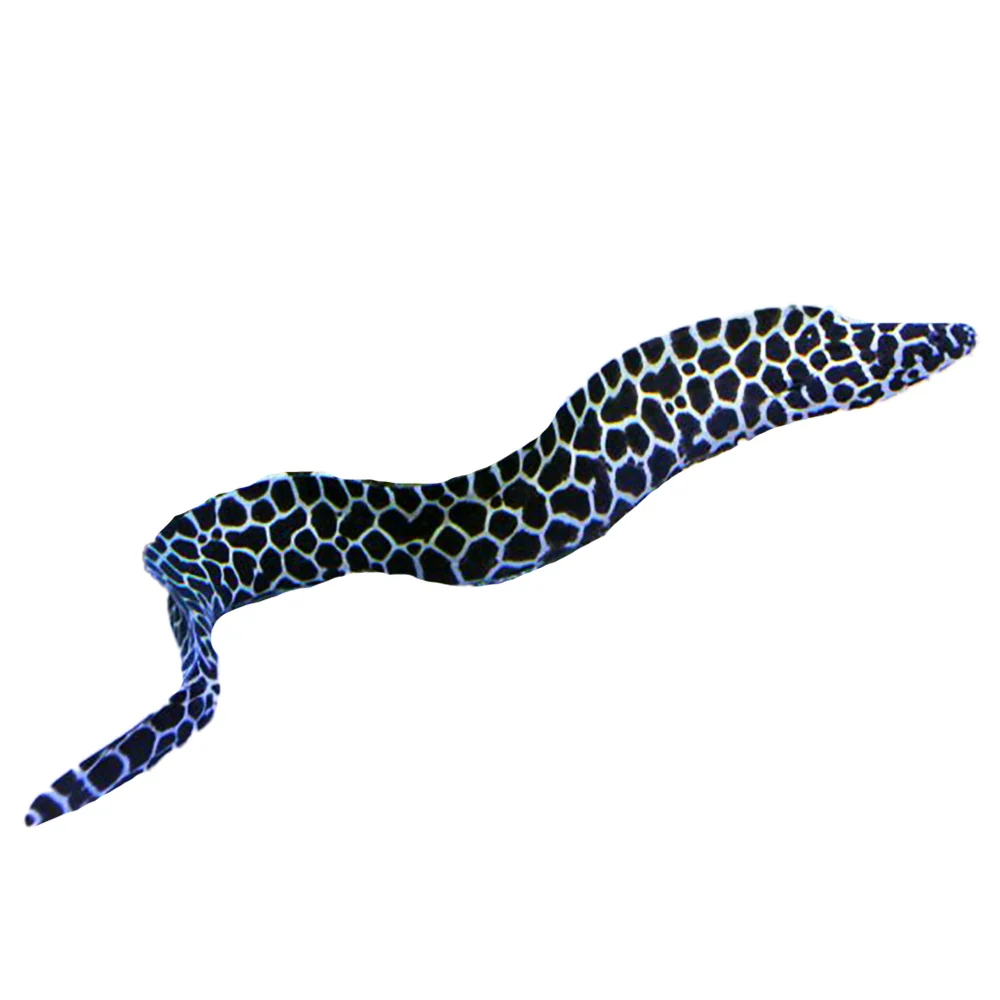
The Pattern: A creamy-white to yellowish base covered in high-contrast black-to-chocolate brown spots. These spots are hexagonal or "honeycomb" shaped and become more numerous and smaller as the eel grows.
-
The Face: They have a classic "smiling" look due to the shape of their jaws, but don't be fooled—their mouths are lined with needle-sharp, backward-curving teeth.
-
The Eyes: Small, yellowish eyes. Like most eels, they have poor eyesight and rely heavily on their acute sense of smell to find food.
Behaviour & Tank Compatibility
-
The Ambush Predator: Tessalatas spend 90% of their time with their bodies tucked into rockwork, only poking their heads out to scan for food.
-
Aggression: This species is notoriously more aggressive than the Snowflake or Zebra Eel. They have a very high feeding drive and will snap at anything that smells like food—including your hand. Hand-feeding is strictly discouraged.
-
Reef Safe (with Caution): They will not eat corals, but they are "biological bombs." They produce massive amounts of waste and can easily knock over unsecured rockwork or corals as they move.
-
Tank Mates: Must be kept with large, aggressive, or fast-moving fish that are too big to be swallowed. Good mates include large Groupers, large Triggers, and adult Lionfish. Anything that can fit in its mouth will eventually be eaten.
Ideal Tank Setup
-
Tank Size: A minimum of 680L (180 Gallons) for a juvenile, but an adult will eventually require 1,100L+ (300+ Gallons) with a wide footprint.
-
Lid is Mandatory: Eels are the ultimate escape artists. They can push open heavy glass lids. Use a weighted or locking lid with zero gaps. If their head can fit through, their body will follow.
-
Rockwork: You must provide extraordinarily stable rockwork. Use PVC pipes hidden behind rocks to create "burrows" that won't collapse under the eel's weight.
-
Filtration: Because they are large carnivores, a massive protein skimmer and heavy biological filtration (like a large sump) are required to keep ammonia and nitrates under control.
Dietary Needs
They are pure carnivores and need "chunky" meals:
-
Diet: Offer large pieces of raw seafood such as squid, shrimp, scallops, and silversides.
-
Feeding Frequency: Juveniles can be fed every other day, but adults only need to eat 1–2 times per week.
-
Feeding Tool: Always use long feeding tongs (30cm+) to offer food. This keeps your fingers safe and prevents the eel from associating your hand with food.
Why Choose the Tessalata Eel?
The Tessalata Eel is for the hobbyist who wants a "Monster Fish" display with an artistic flair. It is a long-lived, intelligent predator that becomes the undisputed centerpiece of any large room. If you have the space for a massive aquarium and the discipline to maintain heavy filtration, the Honeycomb Moray is a breathtaking representative of Indonesia's deep reef predators.
Product Information
Product Information
Shipping & Returns
Shipping & Returns
Tessalata Eel (Gymnothorax favagineus)
Tessalata Eel (Gymnothorax favagineus)
Tessalata Eel (Gymnothorax favagineus)
The Tessalata Eel, also known as the Honeycomb Moray or Leopard Eel, is one of the most visually stunning and imposing predators in the marine world. Found across the Indo-Pacific, including the deep reef crevices of Indonesia, it is famous for its intricate, geometric pattern. While it is a "holy grail" for many predator-tank enthusiasts, it is a massive animal that requires a specialized setup and a high level of respect.
Key Information
-
Common Names: Tessalata Eel, Honeycomb Moray, Leopard Moray, Giraffe Eel
-
Scientific Name: Gymnothorax favagineus
-
Origin: Indo-Pacific (East Africa to Papua New Guinea, north to Japan)
-
Max Size: 150–180 cm (approx. 5–6 feet) — One of the largest morays!
-
Lifespan: 15–30 years
-
Temperament: Aggressive / Predatory
-
Diet: Carnivore – Fish and cephalopod eater
-
Care Level: Moderate (due to size and biological load)
Appearance & Identification
The Tessalata is often considered the most beautiful of all moray eels:
-
The Pattern: A creamy-white to yellowish base covered in high-contrast black-to-chocolate brown spots. These spots are hexagonal or "honeycomb" shaped and become more numerous and smaller as the eel grows.
-
The Face: They have a classic "smiling" look due to the shape of their jaws, but don't be fooled—their mouths are lined with needle-sharp, backward-curving teeth.
-
The Eyes: Small, yellowish eyes. Like most eels, they have poor eyesight and rely heavily on their acute sense of smell to find food.
Behaviour & Tank Compatibility
-
The Ambush Predator: Tessalatas spend 90% of their time with their bodies tucked into rockwork, only poking their heads out to scan for food.
-
Aggression: This species is notoriously more aggressive than the Snowflake or Zebra Eel. They have a very high feeding drive and will snap at anything that smells like food—including your hand. Hand-feeding is strictly discouraged.
-
Reef Safe (with Caution): They will not eat corals, but they are "biological bombs." They produce massive amounts of waste and can easily knock over unsecured rockwork or corals as they move.
-
Tank Mates: Must be kept with large, aggressive, or fast-moving fish that are too big to be swallowed. Good mates include large Groupers, large Triggers, and adult Lionfish. Anything that can fit in its mouth will eventually be eaten.
Ideal Tank Setup
-
Tank Size: A minimum of 680L (180 Gallons) for a juvenile, but an adult will eventually require 1,100L+ (300+ Gallons) with a wide footprint.
-
Lid is Mandatory: Eels are the ultimate escape artists. They can push open heavy glass lids. Use a weighted or locking lid with zero gaps. If their head can fit through, their body will follow.
-
Rockwork: You must provide extraordinarily stable rockwork. Use PVC pipes hidden behind rocks to create "burrows" that won't collapse under the eel's weight.
-
Filtration: Because they are large carnivores, a massive protein skimmer and heavy biological filtration (like a large sump) are required to keep ammonia and nitrates under control.
Dietary Needs
They are pure carnivores and need "chunky" meals:
-
Diet: Offer large pieces of raw seafood such as squid, shrimp, scallops, and silversides.
-
Feeding Frequency: Juveniles can be fed every other day, but adults only need to eat 1–2 times per week.
-
Feeding Tool: Always use long feeding tongs (30cm+) to offer food. This keeps your fingers safe and prevents the eel from associating your hand with food.
Why Choose the Tessalata Eel?
The Tessalata Eel is for the hobbyist who wants a "Monster Fish" display with an artistic flair. It is a long-lived, intelligent predator that becomes the undisputed centerpiece of any large room. If you have the space for a massive aquarium and the discipline to maintain heavy filtration, the Honeycomb Moray is a breathtaking representative of Indonesia's deep reef predators.
Original: $321.81
-65%$321.81
$112.63Product Information
Product Information
Shipping & Returns
Shipping & Returns
Description
Tessalata Eel (Gymnothorax favagineus)
The Tessalata Eel, also known as the Honeycomb Moray or Leopard Eel, is one of the most visually stunning and imposing predators in the marine world. Found across the Indo-Pacific, including the deep reef crevices of Indonesia, it is famous for its intricate, geometric pattern. While it is a "holy grail" for many predator-tank enthusiasts, it is a massive animal that requires a specialized setup and a high level of respect.
Key Information
-
Common Names: Tessalata Eel, Honeycomb Moray, Leopard Moray, Giraffe Eel
-
Scientific Name: Gymnothorax favagineus
-
Origin: Indo-Pacific (East Africa to Papua New Guinea, north to Japan)
-
Max Size: 150–180 cm (approx. 5–6 feet) — One of the largest morays!
-
Lifespan: 15–30 years
-
Temperament: Aggressive / Predatory
-
Diet: Carnivore – Fish and cephalopod eater
-
Care Level: Moderate (due to size and biological load)
Appearance & Identification
The Tessalata is often considered the most beautiful of all moray eels:
-
The Pattern: A creamy-white to yellowish base covered in high-contrast black-to-chocolate brown spots. These spots are hexagonal or "honeycomb" shaped and become more numerous and smaller as the eel grows.
-
The Face: They have a classic "smiling" look due to the shape of their jaws, but don't be fooled—their mouths are lined with needle-sharp, backward-curving teeth.
-
The Eyes: Small, yellowish eyes. Like most eels, they have poor eyesight and rely heavily on their acute sense of smell to find food.
Behaviour & Tank Compatibility
-
The Ambush Predator: Tessalatas spend 90% of their time with their bodies tucked into rockwork, only poking their heads out to scan for food.
-
Aggression: This species is notoriously more aggressive than the Snowflake or Zebra Eel. They have a very high feeding drive and will snap at anything that smells like food—including your hand. Hand-feeding is strictly discouraged.
-
Reef Safe (with Caution): They will not eat corals, but they are "biological bombs." They produce massive amounts of waste and can easily knock over unsecured rockwork or corals as they move.
-
Tank Mates: Must be kept with large, aggressive, or fast-moving fish that are too big to be swallowed. Good mates include large Groupers, large Triggers, and adult Lionfish. Anything that can fit in its mouth will eventually be eaten.
Ideal Tank Setup
-
Tank Size: A minimum of 680L (180 Gallons) for a juvenile, but an adult will eventually require 1,100L+ (300+ Gallons) with a wide footprint.
-
Lid is Mandatory: Eels are the ultimate escape artists. They can push open heavy glass lids. Use a weighted or locking lid with zero gaps. If their head can fit through, their body will follow.
-
Rockwork: You must provide extraordinarily stable rockwork. Use PVC pipes hidden behind rocks to create "burrows" that won't collapse under the eel's weight.
-
Filtration: Because they are large carnivores, a massive protein skimmer and heavy biological filtration (like a large sump) are required to keep ammonia and nitrates under control.
Dietary Needs
They are pure carnivores and need "chunky" meals:
-
Diet: Offer large pieces of raw seafood such as squid, shrimp, scallops, and silversides.
-
Feeding Frequency: Juveniles can be fed every other day, but adults only need to eat 1–2 times per week.
-
Feeding Tool: Always use long feeding tongs (30cm+) to offer food. This keeps your fingers safe and prevents the eel from associating your hand with food.
Why Choose the Tessalata Eel?
The Tessalata Eel is for the hobbyist who wants a "Monster Fish" display with an artistic flair. It is a long-lived, intelligent predator that becomes the undisputed centerpiece of any large room. If you have the space for a massive aquarium and the discipline to maintain heavy filtration, the Honeycomb Moray is a breathtaking representative of Indonesia's deep reef predators.